Table of Contents
- Why Valentine’s Day Is a Prime Opportunity for Email Marketers
- 1. The Storytelling Surprise: A Luxury Chocolate Brand
- Key Takeaways
- 2. Data‑Driven Personalization: A Boutique Jewelry Store
- Implementation Tips
- 3. User‑Generated Content (UGC) Campaign: A Fashion Retailer
- How to Replicate the Success
- 4. The “Last‑Minute Saver” Email: A Travel Agency
- Effective Elements
- 5. Interactive Quiz: A Gift‑Idea Platform
- Why Quizzes Work
- 6. The Heart‑felt Thank‑You: A Non‑Profit Organization
- Key Points for Non‑Profit Campaigns
- 7. The “Couple’s Bundle” Offer: A Home‑Goods Brand
- Strategic Highlights
- Crafting Your Own Valentine’s Day Email: A Step‑by‑Step Blueprint
- Step 1: Define Your Goal
- Step 2: Segment Your Audience
- Step 3: Choose a Creative Hook
- Step 4: Write Compelling Copy
- Step 5: Design for Emotion
- Step 6: Add Interactive Elements
- Step 7: Test and Optimize
Valentine’s Day email marketing examples are the secret sauce many brands use to turn a simple holiday greeting into a powerful sales engine. As the calendar flips to February, consumers are already in a buying mood, looking for gifts, experiences, and ways to celebrate love. Leveraging this emotional backdrop with well‑crafted emails can dramatically increase open rates, click‑throughs, and conversions. In this article we’ll explore a collection of standout campaigns, dissect what makes them work, and provide practical takeaways you can apply to your own strategy.
From playful storytelling to data‑driven personalization, the best Valentine’s Day emails share a common goal: they make the recipient feel seen, valued, and eager to act. Whether you’re a seasoned marketer or just starting out, the examples below will spark fresh ideas and give you a roadmap for creating your own love‑infused messages that cut through the inbox noise.
Why Valentine’s Day Is a Prime Opportunity for Email Marketers
Valentine’s Day isn’t just about roses and chocolates; it’s a multi‑billion‑dollar consumer event that spans categories—from jewelry and fashion to travel and dining. According to recent industry research, email campaigns sent in the week leading up to February 14 see an average lift of 20‑30% in revenue compared to non‑holiday periods. The reasons are simple:
- Emotional buying triggers: Love, affection, and the desire to impress drive impulse purchases.
- Clear intent: Shoppers know they need a gift or experience, making them more receptive to offers.
- Time‑sensitive nature: The deadline creates urgency, encouraging quicker decision‑making.
When you combine these factors with a well‑segmented list, you can craft messages that feel personal and compelling. Below are real‑world email marketing examples that illustrate these principles in action.
1. The Storytelling Surprise: A Luxury Chocolate Brand
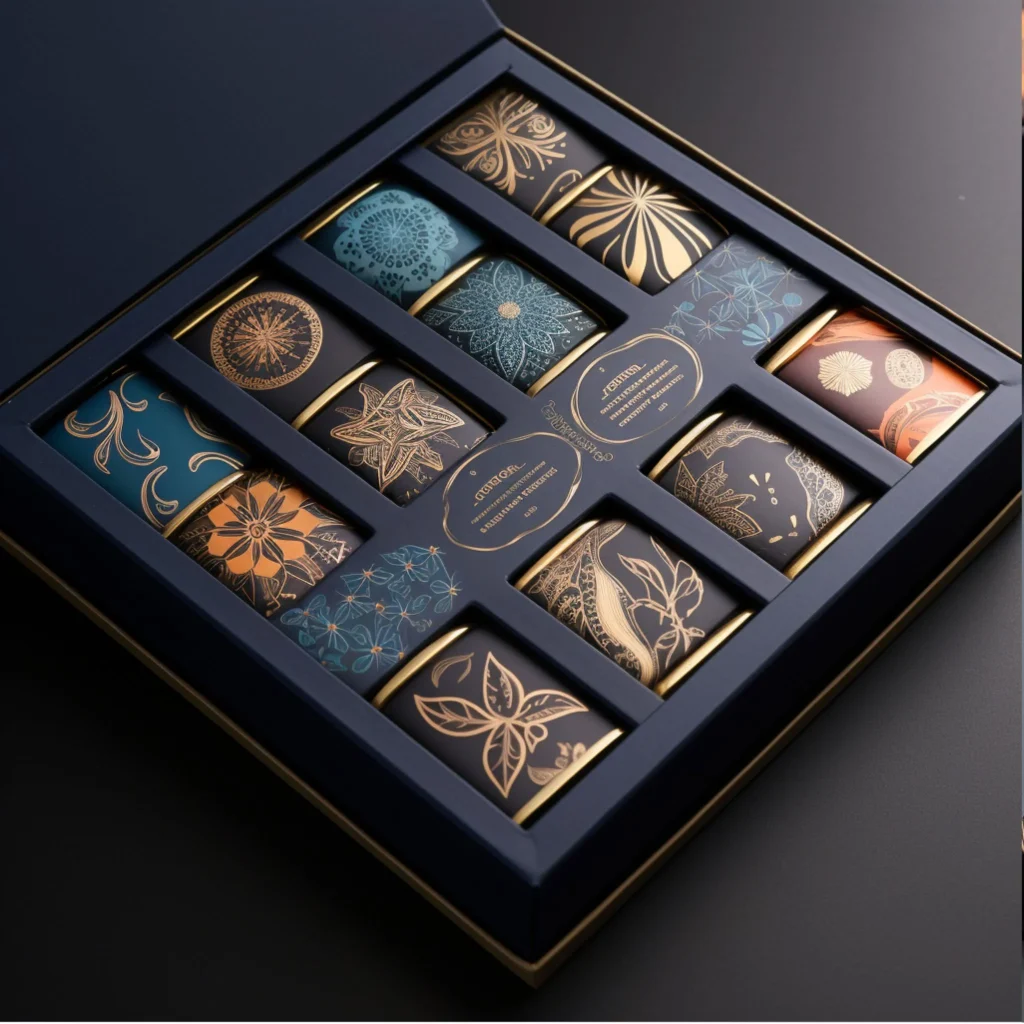
This premium chocolate maker sent a beautifully illustrated email that unfolded like a short romance novella. Each scroll revealed a new “chapter” of a love story, ending with a limited‑edition Valentine’s Day box. The email used interactive elements—hover‑to‑reveal flavors and a countdown timer—to keep readers engaged.
Key Takeaways
- Narrative structure: Turning the product into a protagonist of a love story creates emotional resonance.
- Interactive design: Scroll‑based storytelling increases dwell time, signaling higher intent to purchase.
- Scarcity cue: Highlighting limited stock and a countdown boosts urgency.
2. Data‑Driven Personalization: A Boutique Jewelry Store
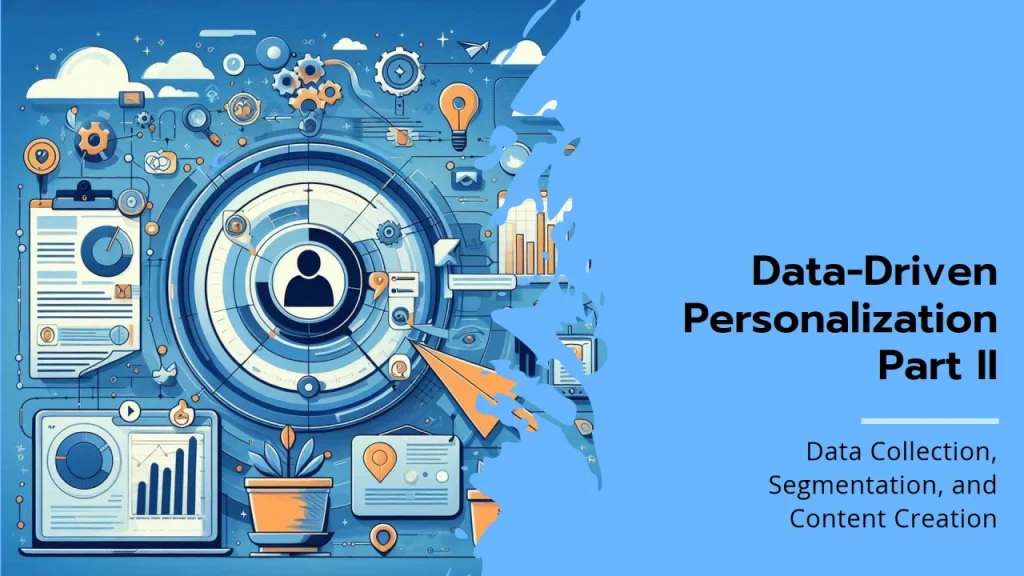
Using purchase history and browsing behavior, this jeweler crafted a dynamic email that showcased items matching each recipient’s style. For example, if a subscriber previously viewed heart‑shaped pendants, the email displayed a curated selection of similar pieces, each with a personalized “Because you liked…” note.
Implementation Tips
- Leverage your CRM to pull past purchase data and segment by product category.
- Use dynamic content blocks in your ESP to swap images and copy based on each user’s interests.
- Include a clear call‑to‑action such as “Complete your Valentine’s look” to guide the buyer journey.
3. User‑Generated Content (UGC) Campaign: A Fashion Retailer
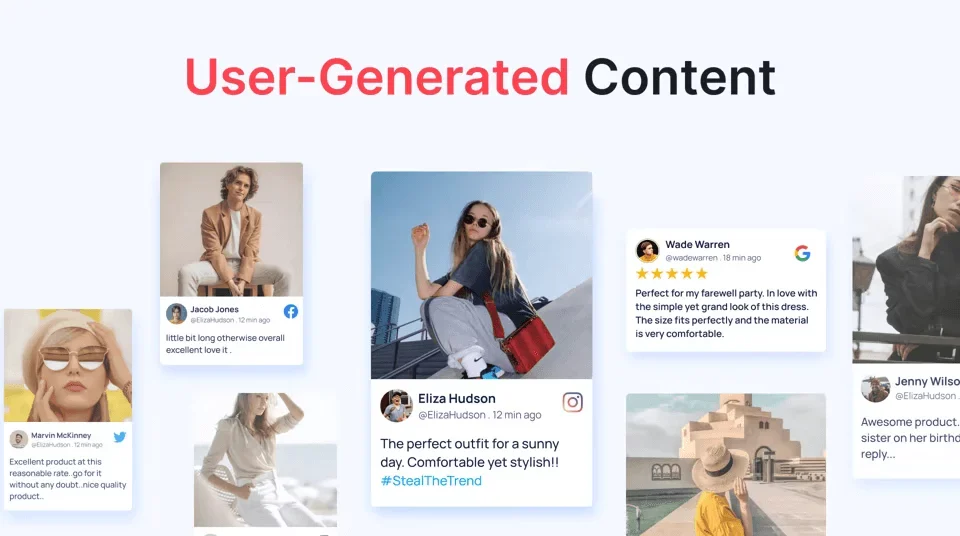
This brand encouraged customers to share photos of themselves wearing their Valentine’s Day outfits with a branded hashtag. The best submissions were featured in a follow‑up email, creating a community feel and social proof. The campaign generated a 45% higher click‑through rate compared to the retailer’s standard promotional emails.
How to Replicate the Success
- Launch a contest a week before Valentine’s Day, offering a gift card or exclusive discount as the prize.
- Curate the top user photos and embed them in a carousel within the email.
- Tag the featured customers (with permission) to boost engagement and sharing.
4. The “Last‑Minute Saver” Email: A Travel Agency
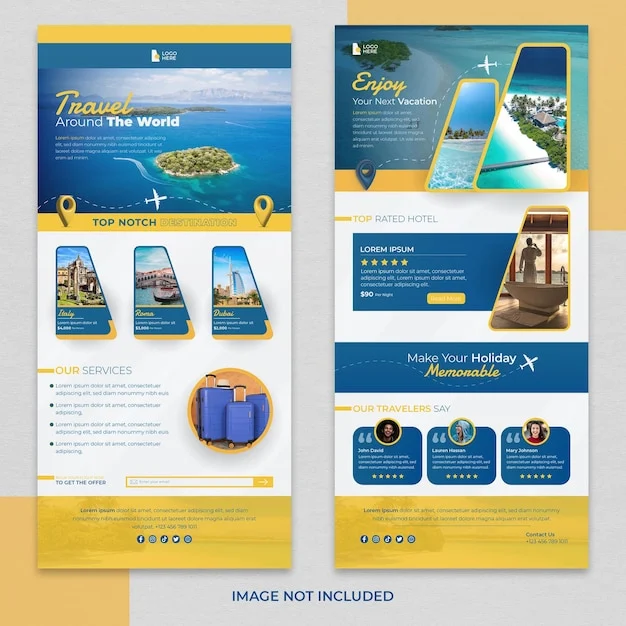
Knowing that many travelers wait until the last moment to book a romantic getaway, this agency sent a “Last‑Minute Valentine’s Escape” email with flash‑sale prices on weekend trips. The subject line read, “❣️ 24‑Hour Love Escape – Up to 40% Off!” and the body featured bold, colorful images of cozy cabins and sunset cruises.
Effective Elements
- Urgent subject line: Emojis and time frames grab attention in a crowded inbox.
- Clear value proposition: “Up to 40% off” is instantly understandable.
- Visual storytelling: High‑resolution images evoke the romance of the destination.
5. Interactive Quiz: A Gift‑Idea Platform
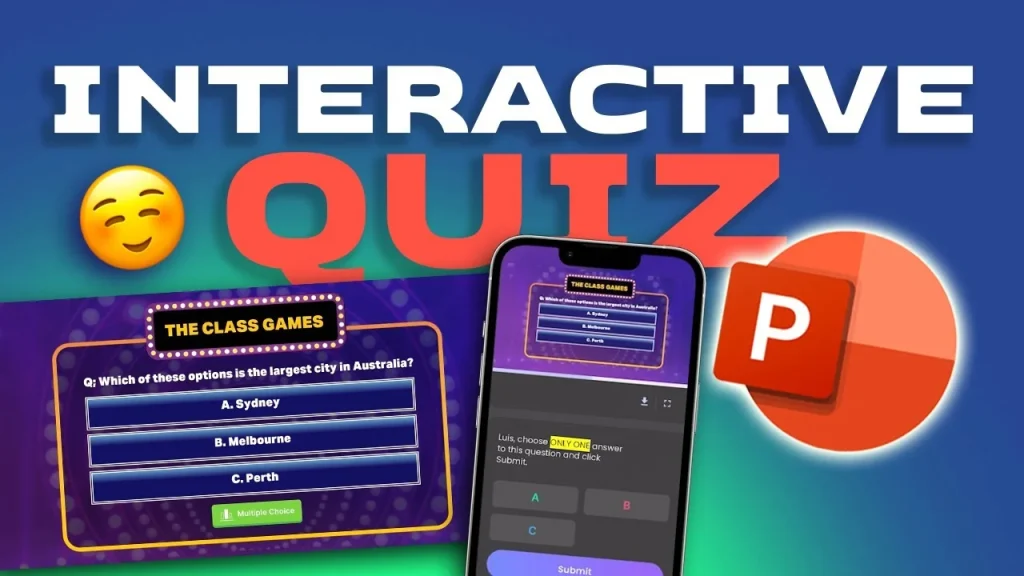
To solve the “What should I get?” dilemma, this platform sent an email with a one‑click quiz: “Find the Perfect Valentine Gift in 30 Seconds.” After answering three quick questions, users received a personalized list of gift suggestions, each linked directly to product pages.
Why Quizzes Work
- They simplify decision‑making by narrowing options.
- They collect additional data for future segmentation.
- They boost engagement; respondents spend more time interacting with the email.
6. The Heart‑felt Thank‑You: A Non‑Profit Organization
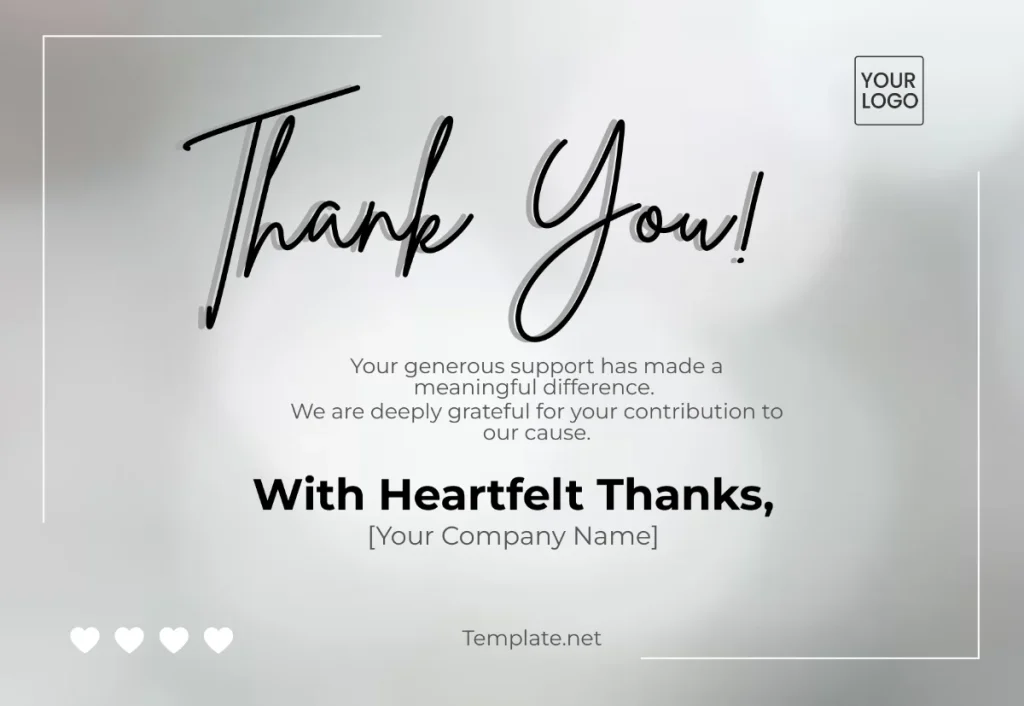
Not every Valentine’s email needs to push sales. This non‑profit sent a heartfelt thank‑you to donors, highlighting how their contributions helped “spread love” to underserved communities. The email featured stories, photos, and a gentle invitation to share the love on social media.
Key Points for Non‑Profit Campaigns
- Focus on storytelling that aligns with the theme of love and compassion.
- Use genuine gratitude to strengthen donor loyalty.
- Include a low‑friction sharing button to amplify reach.
7. The “Couple’s Bundle” Offer: A Home‑Goods Brand
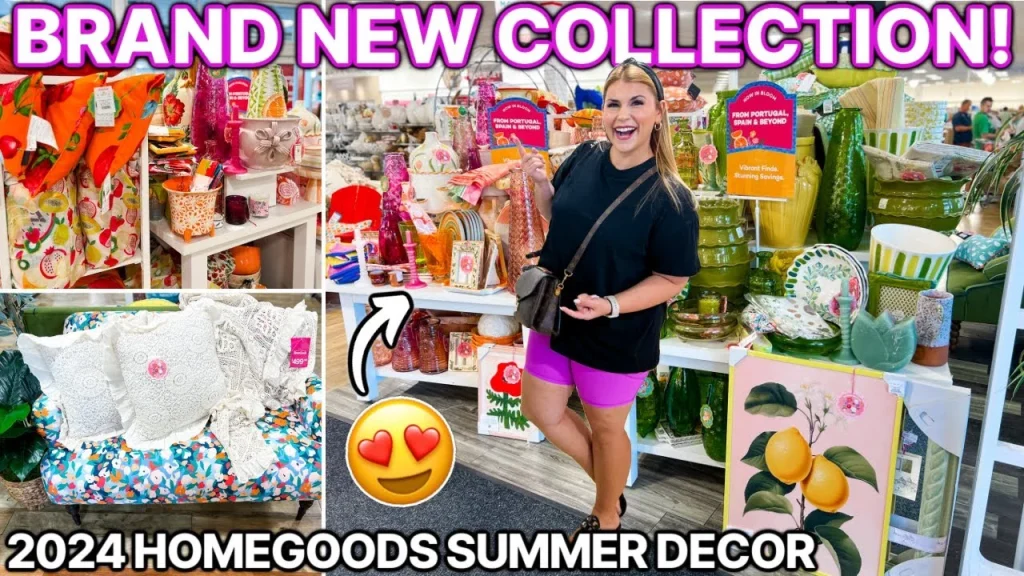
This brand introduced a “His & Hers” bundle that combined a set of matching mugs, a scented candle, and a cozy throw blanket at a special price. The email showcased lifestyle images of couples enjoying the items, and the copy used inclusive language: “Celebrate love together, your way.”
Strategic Highlights
- Bundle products to increase average order value.
- Use inclusive language to appeal to all relationship types.
- Show the items in use, not just isolated product shots.
Crafting Your Own Valentine’s Day Email: A Step‑by‑Step Blueprint
Now that you’ve seen the variety of successful campaigns, let’s break down a repeatable process you can follow for your next Valentine’s Day send.
Step 1: Define Your Goal
Whether it’s driving sales, boosting engagement, or nurturing leads, a clear objective shapes your creative direction. Align the goal with key metrics such as revenue per email, click‑through rate, or donation amount.
Step 2: Segment Your Audience
Use demographic, behavioral, and purchase data to create segments like “First‑time shoppers,” “Repeat buyers,” “Couples,” or “Single friends buying gifts.” Tailor the message to each group’s motivations.
Step 3: Choose a Creative Hook
Pick one of the proven concepts—storytelling, personalization, UGC, urgency, quiz, gratitude, or bundles—and adapt it to your brand voice. For instance, a tech retailer could create a “Love at First Click” story highlighting the ease of gifting a new gadget.
Step 4: Write Compelling Copy
Start with a subject line that sparks curiosity and includes an emoji or a number for added impact. Example: “💖 5 Romantic Gifts Under $50 – Limited Time!” Keep the preheader concise and complementary. Inside the email, use short paragraphs, bolded benefits, and a single, prominent call‑to‑action.
Step 5: Design for Emotion
Incorporate Valentine’s Day colors (soft pinks, reds, and golds) but avoid clichés. Use high‑quality images that showcase the product in a romantic setting. Consider adding subtle animations like a beating heart icon to draw attention without overwhelming the reader.
Step 6: Add Interactive Elements
Depending on your ESP’s capabilities, embed countdown timers, carousel galleries, or quick‑reply buttons. Interactive features increase dwell time and signal higher purchase intent to algorithms.
Step 7: Test and Optimize
Run A/B tests on subject lines, images, and CTA text. Monitor key performance indicators (KPIs) in real time, and be prepared to send a follow‑up “Last‑Chance” email to those who opened but didn’t click.
If you’re looking for additional guidance on how to write compelling copy that respects the recipient’s time, check out our article on how to write a polite rejection email to a candidate – real‑world examples & proven templates. It offers valuable insights into tone, structure, and personalization that can be applied across all email types, including promotional campaigns.
Understanding the broader context of your audience’s motivations can also enhance your approach. For a deeper dive into aligning your messaging with stakeholder expectations, read understanding the sponsor’s perspective. This perspective helps you balance brand goals with subscriber needs—a critical skill during emotionally charged holidays like Valentine’s Day.
By weaving together the emotional pull of the holiday, data‑driven personalization, and creative execution, your Valentine’s Day email campaign can become a standout moment in your customers’ inboxes. Remember to keep the message authentic, the design eye‑catching, and the call‑to‑action clear. With the examples and framework above, you’re equipped to craft an email that not only celebrates love but also drives measurable business results.