Table of Contents
- Why a Well‑Written Performance Review Email Matters
- Core Elements of an Effective Performance Review Email
- 1. Subject Line That Sets the Tone
- 2. Warm Opening and Context
- 3. Highlight Achievements with Data
- 4. Address Development Areas Constructively
- 5. Set Clear, Measurable Goals
- 6. Closing Encouragement and Open Door
- Sample Performance Review Email Templates
- Template 1 – Standard Quarterly Review
- Template 2 – Performance Improvement Plan (PIP) Email
- Template 3 – Recognition‑Focused Review
- Tips for Personalizing Your Performance Review Email
- Use the Employee’s Preferred Name and Pronouns
- Align Tone with Company Culture
- Incorporate Visual Elements When Appropriate
- Provide Links to Resources
- Encourage Two‑Way Dialogue
- Proofread for Grammar and Tone
- Common Mistakes to Avoid
- How to Respond to a Performance Review Email
- 1. Read Carefully and Take Notes
- 2. Reflect Before Responding
- 3. Draft a Thoughtful Reply
- 4. Align Your Calendar
- Measuring the Impact of Your Performance Review Emails
Performance review email sample example is the cornerstone of clear, constructive communication between managers and their team members. In today’s fast‑paced work environment, a well‑structured email can replace lengthy meetings, provide a written record, and give employees the chance to reflect on their achievements at their own pace. Yet many leaders struggle to strike the right balance between praise, criticism, and actionable next steps.
In this article we’ll dive deep into the anatomy of an effective performance review email, explore real‑world examples, and equip you with templates you can adapt immediately. Whether you’re a seasoned HR professional, a first‑time manager, or an employee seeking guidance on how to respond, the insights here will help you transform routine feedback into a catalyst for growth.
We’ll also sprinkle in a few related resources—like how to write a polite rejection email to a candidate or creative email marketing ideas—to show how the principles of clear, purposeful writing cross every type of professional correspondence.
Why a Well‑Written Performance Review Email Matters
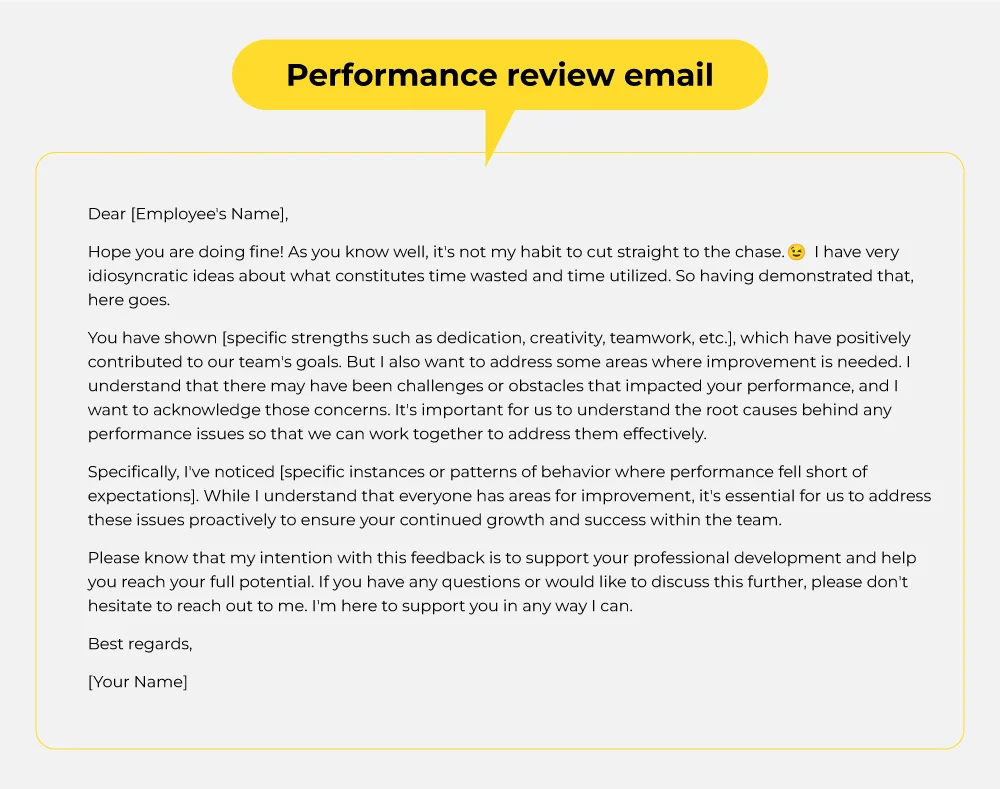
Performance reviews have evolved from annual, formal ceremonies to ongoing, dialog‑driven processes. However, the written component remains essential for several reasons:
- Documentation: A written record protects both the employee and the organization, ensuring that expectations and outcomes are transparent.
- Clarity: Employees can reread the feedback, reducing misunderstandings that often occur in verbal discussions.
- Motivation: Highlighting specific achievements in writing reinforces positive behavior and boosts morale.
- Actionability: Clear next‑step recommendations help the employee focus on concrete improvements.
Core Elements of an Effective Performance Review Email
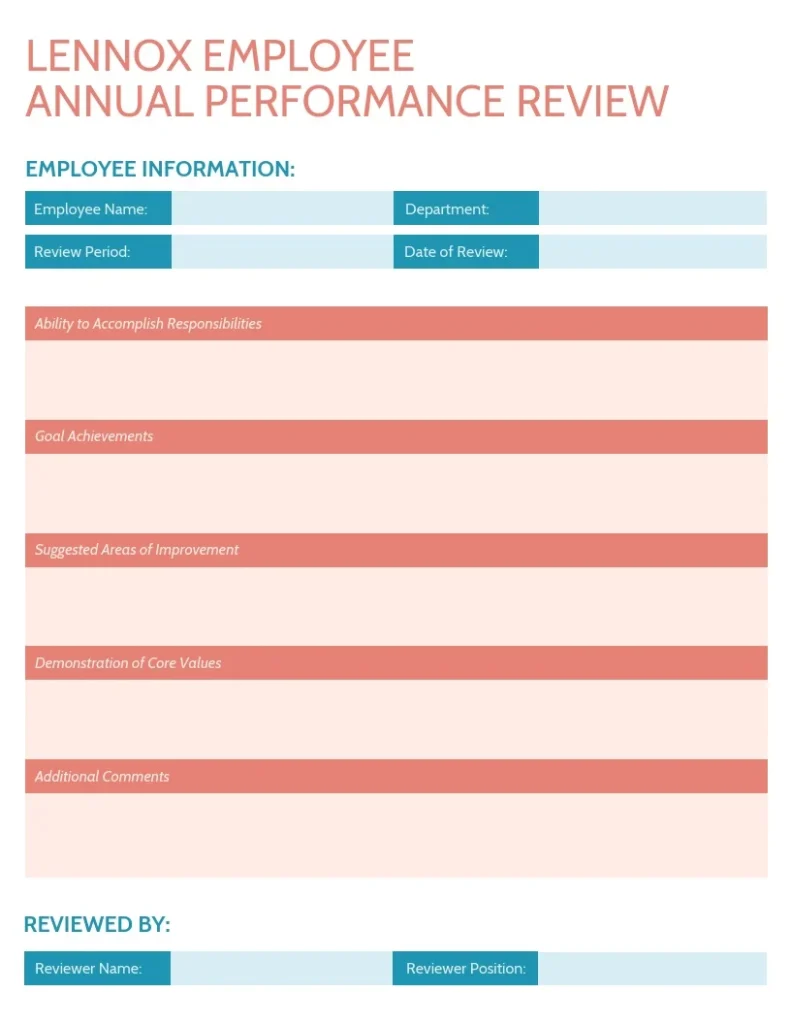
Before you start typing, outline the email using these six building blocks. Each section serves a purpose and together they create a balanced, professional message.
1. Subject Line That Sets the Tone
The subject line should be concise yet informative. It signals the email’s purpose and prepares the reader. Examples include:
- “Quarterly Performance Review – Your Highlights & Next Steps”
- “Feedback on Your Recent Project – Performance Review Summary”
- “2024 Mid‑Year Review – Areas of Strength & Growth Opportunities”
2. Warm Opening and Context
Begin with a friendly greeting and a brief reminder of the review’s timing. This establishes a respectful tone and frames the conversation.
Example: “Hi Alex, I hope you’re doing well. As we discussed during our one‑on‑one on March 15, I’m sharing a written summary of your performance for Q1 2024.”
3. Highlight Achievements with Data
Specificity is key. Cite metrics, project outcomes, or client feedback that illustrate the employee’s contributions.
For instance: “Your leadership on the XYZ campaign increased lead conversion by 18% compared to the previous quarter, surpassing the target of 12%.”
4. Address Development Areas Constructively
When discussing improvement points, focus on behavior, not personality. Pair each area with a supportive suggestion.
Example: “While your presentations are visually compelling, incorporating more data‑driven storytelling could strengthen stakeholder buy‑in. Consider attending the upcoming data visualization workshop on April 20.”
5. Set Clear, Measurable Goals
Outline 2‑3 SMART goals (Specific, Measurable, Achievable, Relevant, Time‑bound) for the next review period.
Sample goal: “Lead the next product launch, delivering a post‑launch report with at least three actionable insights by September 30.”
6. Closing Encouragement and Open Door
End on a supportive note, inviting further discussion.
Example: “I’m confident in your ability to take on these challenges, and I’m here to support you. Let’s schedule a follow‑up meeting next month to review progress.”
Sample Performance Review Email Templates

Below are three ready‑to‑use templates that cover different scenarios: a standard quarterly review, a performance improvement plan (PIP), and a recognition‑focused email. Feel free to copy, edit, and personalize them to match your company’s voice.
Template 1 – Standard Quarterly Review
Subject: Quarterly Performance Review – Your Highlights & Next Steps
Hi [Employee Name],
I hope you’re doing well. As promised, here’s a written summary of your performance for Q[Number] 2024.
**What You Did Well**
- Delivered the ABC project two weeks ahead of schedule, resulting in a cost saving of $15,000.
- Received a 4.8/5 rating from the client satisfaction survey, exceeding our target of 4.5.
- Mentored two junior teammates, helping them achieve their first successful releases.
**Opportunities for Growth**
- While your technical skills are strong, enhancing cross‑functional communication could improve project alignment. I recommend joining the “Effective Stakeholder Management” webinar on May 12.
- Time‑tracking logs show occasional overtime. Let’s work on prioritizing tasks to maintain a healthier work‑life balance.
**Goals for Next Quarter**
1. Lead the DEF product launch, aiming for a 10% increase in market share by the end of Q[Next].
2. Complete the advanced data analytics certification by August 15.
3. Reduce average ticket resolution time by 15% through process optimization.
I’m confident you’ll continue to excel. Please let me know if you’d like to discuss any of these points in more detail. I’m happy to set up a meeting at your convenience.
Best regards,
[Your Name]
[Title]
Template 2 – Performance Improvement Plan (PIP) Email
Subject: Performance Improvement Plan – Support & Action Steps
Hi [Employee Name],
Thank you for meeting with me earlier today. I wanted to follow up with a written outline of the performance improvement plan we discussed.
**Areas Needing Improvement**
- Missed three project deadlines in the past two months, impacting downstream teams.
- Inconsistent adherence to the coding standards documented in our internal handbook.
**Support & Resources**
- You will be paired with a senior developer for weekly code reviews.
- We will enroll you in the “Agile Project Management” course starting June 1.
**Action Steps & Timeline**
1. Complete all assigned tickets within the sprint timeline for the next four sprints (by July 31).
2. Submit a weekly summary of code review feedback and corrective actions taken.
3. Achieve a minimum of 95% compliance with coding standards by the end of the PIP period.
We will meet bi‑weekly to track progress and address any obstacles. Please let me know if there are any additional resources you need.
I appreciate your commitment to improvement and am confident that, with these steps, you’ll get back on track.
Sincerely,
[Your Name]
[Title]
Template 3 – Recognition‑Focused Review
Subject: Outstanding Performance – Thank You for Your Contributions!
Hi [Employee Name],
I wanted to take a moment to recognize the exceptional work you’ve delivered over the past six months.
- Your initiative in redesigning the onboarding workflow reduced new‑hire ramp‑up time by 30%.
- The customer success story you authored was featured in our quarterly newsletter and generated a 12% increase in inbound leads.
- Your collaborative spirit has been highlighted by teammates across three departments.
Because of your impact, I’m pleased to recommend you for the “Employee of the Quarter” award and a professional development stipend of $1,000.
Keep up the amazing work! If you have ideas for further improvements or would like to discuss career aspirations, my door is always open.
Warm regards,
[Your Name]
[Title]
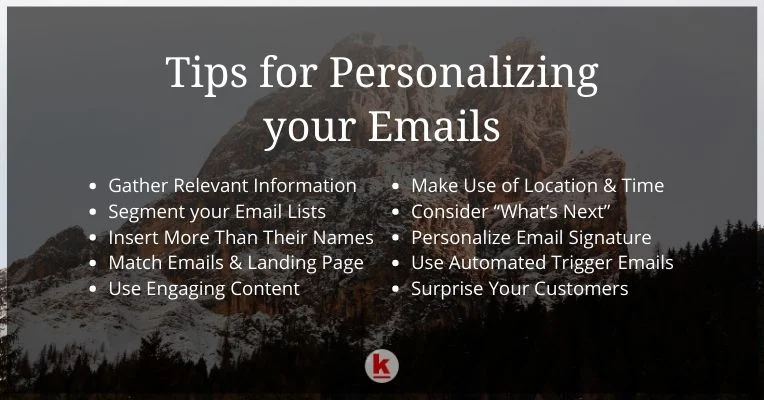
Tips for Personalizing Your Performance Review Email
Use the Employee’s Preferred Name and Pronouns
Respectful language builds trust. Double‑check the employee’s profile or ask directly if you’re unsure.
Align Tone with Company Culture
A startup may favor a casual, upbeat voice, while a traditional corporation might opt for a more formal style. Mirror the tone used in your organization’s internal communications for consistency.
Incorporate Visual Elements When Appropriate
Embedding a small performance chart or linking to a shared dashboard can make the data more digestible. Just ensure any graphics are accessible and mobile‑friendly.
Provide Links to Resources
When you suggest training or tools, include direct links. For example, you could reference 7 Irresistible Valentine’s Day Email Marketing Examples as an illustration of how compelling storytelling can boost engagement—useful if you’re encouraging a marketer to improve copywriting.
Encourage Two‑Way Dialogue
Invite the employee to share their perspective. A simple line such as “Feel free to reply with any questions or suggestions” signals openness.
Proofread for Grammar and Tone
Typos can undermine credibility. Use tools like Grammarly or have a colleague review the email before sending.
Common Mistakes to Avoid

- Vague Feedback: Saying “You need to improve” without specifics leaves the employee confused.
- Overloading with Negatives: A barrage of criticism can demotivate. Balance with positives.
- Ignoring the Employee’s Voice: Failing to ask for their input makes the process feel one‑sided.
- Using Jargon or Acronyms: Not everyone may understand industry‑specific terms; keep language clear.
- Forgetting Follow‑Up: An email without a scheduled check‑in reduces accountability.
How to Respond to a Performance Review Email
Receiving feedback can be a growth opportunity. Here are steps an employee can take after reading a performance review email:
1. Read Carefully and Take Notes
Highlight key strengths, development areas, and agreed‑upon goals.
2. Reflect Before Responding
Give yourself 24‑48 hours to process the information. Emotional reactions can be managed better with a short pause.
3. Draft a Thoughtful Reply
Express gratitude, ask clarifying questions, and outline your own action plan. If you need additional resources, this is the moment to request them.
4. Align Your Calendar
Schedule the follow‑up meeting the manager suggested, or propose a time that works for both parties.
If you’re ever in the position of declining a candidate after an interview, you can apply similar principles of empathy and clarity. Check out How to Write a Polite Rejection Email to a Candidate for a template that mirrors the respectful tone needed in performance discussions.
Measuring the Impact of Your Performance Review Emails
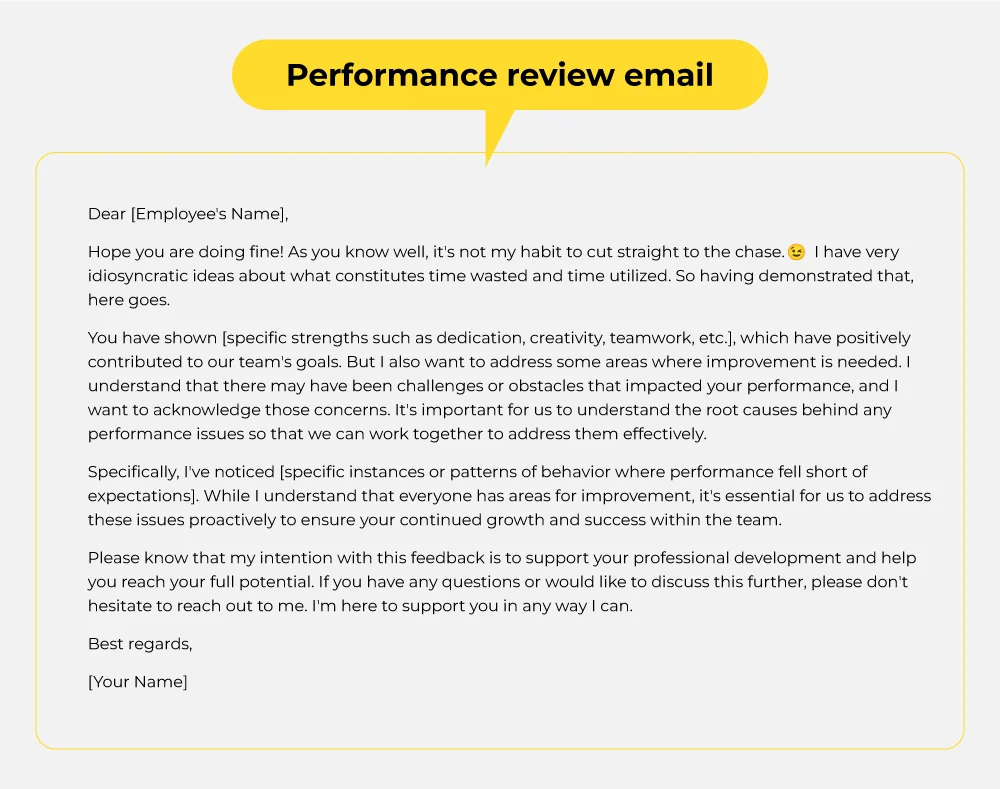
After implementing a structured email approach, track these metrics to gauge effectiveness:
- Employee Satisfaction Scores: Use pulse surveys to ask if the written feedback was clear and helpful.
- Goal Completion Rate: Measure how many SMART goals are met within the target period.
- Turnover Reduction: Compare attrition rates before and after adopting the email system.
- Training Uptake: Track enrollment in suggested courses or workshops.
Regularly reviewing these data points lets you fine‑tune the email content, frequency, and tone.
Lastly, understanding the broader context of communication can enhance your approach. For managers dealing with external partners, the perspective of the sponsor matters. The article Understanding the Sponsor’s Perspective offers insights that can be translated into internal feedback loops, ensuring that expectations align across all stakeholders.
Crafting a performance review email that feels personal, actionable, and motivating doesn’t have to be daunting. By following the structure outlined above, using the provided templates, and continuously refining based on feedback, you’ll turn a routine task into a powerful development tool. Your employees will appreciate the clarity, and you’ll see measurable improvements in performance, engagement, and retention.