Table of Contents
- Why Regular Safety Protocol Updates Are Essential
- Regulatory compliance in practice
- Risk mitigation through real‑time alerts
- Crafting the Perfect Safety Protocol Update Email
- 1. Compelling subject line
- 2. Personalized greeting
- 3. Structured body
- 4. Attachments and supplementary materials
- Safety Protocol Update Email Template Example
- Tips for Effective Distribution and Follow‑Up
- Timing and frequency
- Audience segmentation
- Tracking engagement and compliance
- Feedback loop
- Common Pitfalls to Avoid When Writing Safety Updates
- Overly technical language
- Lengthy paragraphs
- Missing deadlines or unclear actions
- Neglecting mobile optimization
- Failing to archive versions
- Measuring Success and Continuous Improvement
Safety protocol updates are a critical component of any organization that prioritizes the well‑being of its employees, contractors, and visitors. safety protocol update email template example is not just a formality; it serves as the primary channel for communicating new rules, procedural changes, and emergency measures that can prevent accidents and legal liabilities. When crafted correctly, such an email ensures that every stakeholder receives clear, actionable information promptly, reducing the risk of misunderstand‑ and fostering a culture of safety.
Yet many companies struggle to strike the right balance between thoroughness and readability. Overloading the message with jargon or neglecting essential details can lead to confusion, non‑compliance, or even a false sense of security. This article dives deep into the anatomy of an effective safety protocol update email, provides a ready‑to‑use template, and shares practical tips for distribution, follow‑up, and continuous improvement. Whether you are a safety officer, HR manager, or team lead, you will find actionable insights that can be implemented immediately.
Before we explore the template, let’s briefly understand why these updates matter, how to structure the content for maximum impact, and what common pitfalls to avoid. By the end, you’ll have a polished email ready to deploy, along with a toolkit for measuring its effectiveness.
Why Regular Safety Protocol Updates Are Essential
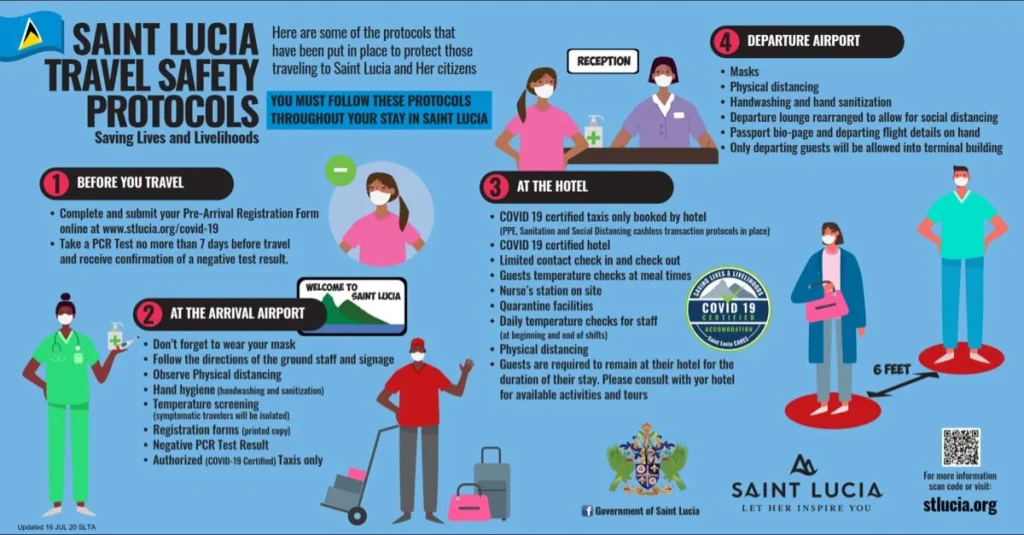
Industries evolve, regulations change, and new hazards emerge—making it imperative for organizations to keep their safety guidelines up to date. Here are three core reasons why a systematic approach to communicating updates is non‑negotiable:
- Regulatory compliance: Government agencies such as OSHA, EPA, and local authorities regularly amend standards. Failure to inform staff can result in fines, shutdowns, or legal action.
- Risk mitigation: Updated protocols often address newly identified risks, from ergonomic concerns in office settings to emerging chemical hazards in manufacturing.
- Employee confidence: Transparent communication builds trust. When workers see that leadership proactively addresses safety, morale and productivity rise.
Regulatory compliance in practice
Consider a scenario where a new lockout‑tagout (LOTO) requirement is introduced. If the change is not communicated promptly, an employee might continue using outdated procedures, exposing themselves to severe injury. An email that clearly outlines the new steps, references the specific regulation, and provides a link to the full policy ensures compliance and protects the organization.
Risk mitigation through real‑time alerts
In fast‑moving environments such as construction sites, hazards can appear overnight. A well‑structured email can serve as an instant alert system, allowing supervisors to adjust work plans before the next shift begins.
Crafting the Perfect Safety Protocol Update Email
Effective safety communication hinges on three pillars: clarity, relevance, and actionability. Below is a detailed breakdown of each component, accompanied by practical advice.
1. Compelling subject line
The subject line determines whether your email gets opened. It should be concise, urgent, and indicative of the content. Examples include:
- “Immediate Action Required: Updated PPE Requirements Effective 05/01”
- “New Fire Evacuation Routes – Please Review Today”
- “Safety Alert: Revised Machine Guarding Procedures”
Notice the use of verbs (“Review,” “Action Required”) and dates, which create a sense of timeliness.
2. Personalized greeting
Address the recipient group directly. If the update applies to a specific department, mention it. For a company‑wide rollout, a neutral greeting works best:
Hi Production Team,
or
Dear All,
3. Structured body
Break the email into digestible sections using headings or bullet points. A recommended flow:
- Purpose: One‑sentence explanation of why the update matters.
- Key changes: Bullet list of what’s new, altered, or removed.
- Implementation timeline: Effective date, transition period, and any deadlines.
- Required actions: Clear steps each employee must take (e.g., “Complete the online training by 04/30”).
- Resources: Links to the full policy, video walkthroughs, or FAQ documents.
- Contact information: Who to reach out to for questions.
4. Attachments and supplementary materials
Whenever possible, attach a one‑page quick‑reference guide or embed a short video. Visual aids dramatically increase retention. Ensure all files are named consistently, such as “Safety_Update_2024_05_PPE.pdf”.
Safety Protocol Update Email Template Example
Below is a fully‑ready template that you can copy, paste, and customize for any safety communication. It incorporates the best practices discussed earlier.
Subject: Immediate Action Required – Updated PPE Requirements Effective May 1, 2024
Hi Manufacturing Team,
**Purpose**
We have revised our Personal Protective Equipment (PPE) standards to align with the latest OSHA regulations and to address recent observations on the shop floor.
**Key Changes**
- **Hard Hats:** All hard hats must now meet ANSI Z89.1‑2014 standard (previously Z89.1‑2003).
- **Eye Protection:** Anti‑fog safety glasses are mandatory in areas with high humidity.
- **Gloves:** Nitrile gloves are required for handling solvents; cut‑resistant gloves remain mandatory for metalworking stations.
- **High‑Visibility Apparel:** New reflective vests must be worn in all traffic‑controlled zones.
**Implementation Timeline**
- **April 25 – 30:** Distribution of new PPE items at the Safety Supply Closet.
- **May 1:** New PPE standards become effective.
- **May 15:** Mandatory compliance audit.
**Required Actions**
1. Visit the Safety Supply Closet by April 30 to collect your updated gear.
2. Complete the “PPE Compliance” e‑learning module (link below) by May 3.
3. Sign the acknowledgment form attached to this email and return it to HR by May 5.
**Resources**
- Full PPE Policy (PDF): Download here
- Quick‑Reference Guide (PDF): Download
- E‑learning Module: Start Training**Need Help?**
If you have questions or require additional equipment, please contact Jane Doe, Safety Coordinator, at [email protected] or call extension 224.
Thank you for your prompt attention to these important updates. Your cooperation keeps our workplace safe for everyone.
Best regards,
John Smith
Director of Operations
MisNeighbors Inc.
Notice the clear headings, bolded keywords for quick scanning, and direct links to supporting documents. You can adapt this layout for any type of safety change—whether it’s a new chemical handling procedure, fire safety plan, or ergonomics guideline.
Tips for Effective Distribution and Follow‑Up
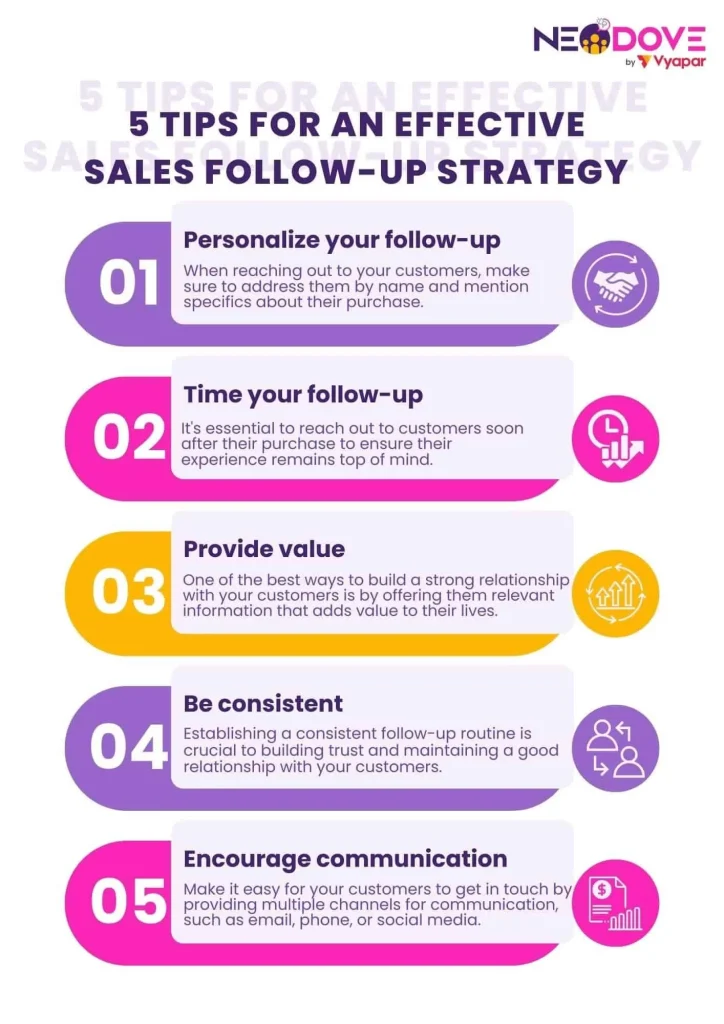
Even the most polished email can fall flat if not delivered and tracked properly. Below are proven tactics to ensure your safety update reaches the right people and prompts the intended actions.
Timing and frequency
- Send during work hours: Aim for 9 am–11 am when inboxes are less cluttered.
- Follow‑up reminder: A brief reminder 48 hours before the deadline reinforces urgency.
- Post‑implementation recap: After the compliance date, send a short “What’s next?” note summarizing any additional steps.
Audience segmentation
Not every update applies to all employees. Use your email platform’s segmentation tools to target:
- Specific departments (e.g., “Warehouse Staff” for forklift safety).
- Geographic locations (e.g., “Remote Site A” for localized hazard alerts).
- Roles with compliance responsibilities (e.g., supervisors, safety champions).
This approach mirrors the precision seen in the company relocation notification email example, where messages are tailored to affected teams to avoid information overload.
Tracking engagement and compliance
Leverage built‑in analytics to monitor open rates, click‑throughs on policy links, and completion of mandatory training. If open rates dip below 80 %, consider a secondary channel such as Slack or a posted notice in break rooms.
Feedback loop
Include a brief survey or a “reply with questions” prompt. Employees often spot ambiguities that the original author missed. This aligns with the philosophy of the performance review email sample example, which encourages two‑way communication.
Common Pitfalls to Avoid When Writing Safety Updates
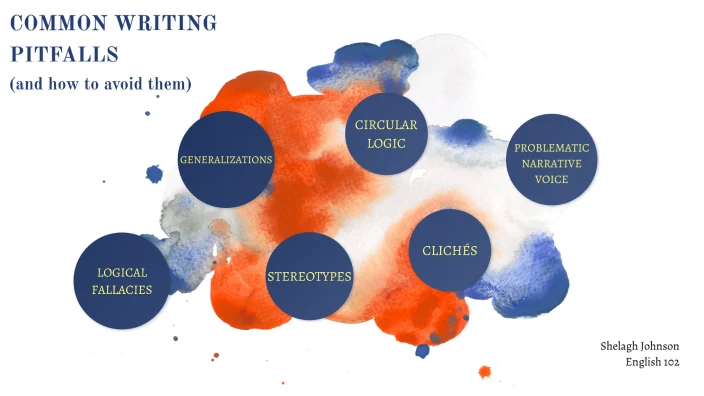
Even seasoned communicators can slip into habits that diminish the effectiveness of safety emails. Recognize and sidestep these mistakes:
Overly technical language
While accuracy is vital, excessive jargon alienates non‑technical staff. Replace terms like “hydrostatic pressure differential” with “water pressure difference” unless the audience is exclusively engineers.
Lengthy paragraphs
Long blocks of text discourage reading. Use bullet points, bold headings, and short sentences. Remember, most readers skim before they read.
Missing deadlines or unclear actions
If the “required actions” section lacks specific dates or steps, employees may postpone compliance. Always pair each action with a concrete deadline and a responsible point of contact.
Neglecting mobile optimization
Many staff check email on smartphones. Ensure the email layout is responsive—avoid large tables or images that don’t resize.
Failing to archive versions
When policies are updated frequently, it’s easy to lose track of which version was communicated when. Keep a version‑control log in a shared folder and reference the version number in the email subject (e.g., “PPE Update v2.1”).
Measuring Success and Continuous Improvement
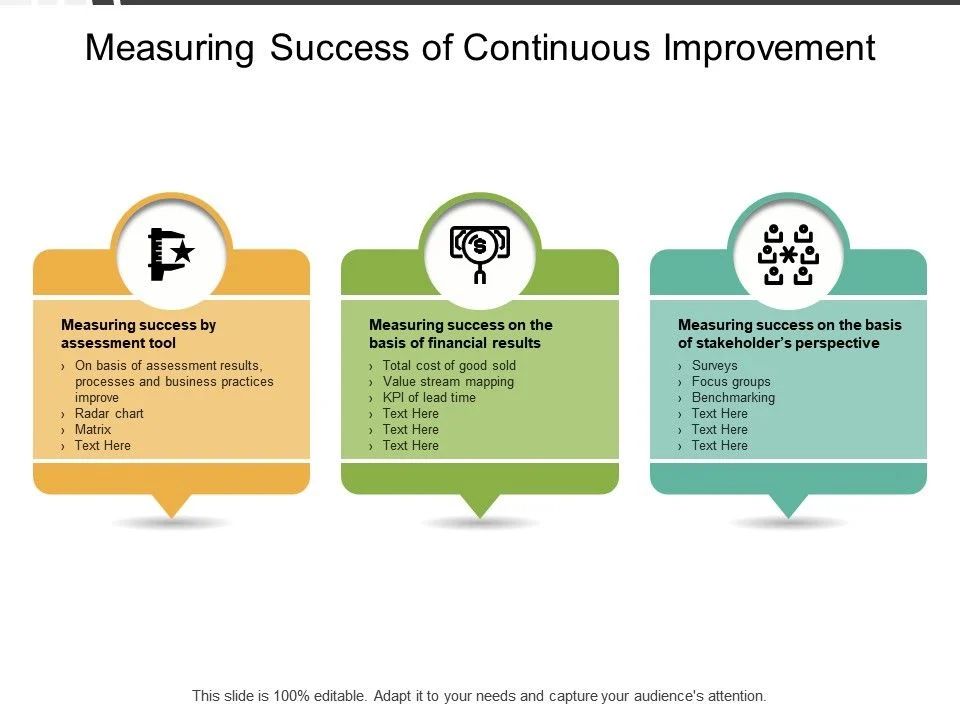
After the email campaign, assess its impact through both quantitative and qualitative metrics:
- Compliance rates: Percentage of employees who completed required training or signed acknowledgment forms.
- Incident reports: Monitor whether the newly introduced safety measures lead to a measurable drop in near‑misses or injuries.
- Survey feedback: Ask recipients if the information was clear, useful, and actionable.
Use this data to refine future communications. For instance, if open rates are low on Friday afternoons, shift the send time to Tuesday morning. Continuous iteration ensures that safety messaging remains effective and aligned with organizational culture.
In summary, a well‑crafted safety protocol update email is a powerful tool that bridges the gap between policy creation and real‑world practice. By following the structure outlined above, employing a clear template, and leveraging targeted distribution and analytics, you can significantly boost compliance, reduce risk, and foster a safer workplace for everyone.