Table of Contents
- Why a Structured Relocation Email Matters
- Key Elements of a Relocation Notification Email
- 1. Clear Subject Line
- 2. Personalized Greeting
- 3. Brief Opening Statement
- 4. Detailed Relocation Information
- 5. Call to Action (CTA)
- 6. Contact Information
- 7. Closing Remarks and Appreciation
- Sample Company Relocation Notification Email
- Best Practices for Sending the Relocation Email
- Timing and Frequency
- Segmentation
- Use of Visuals
- Testing and Optimization
- Legal and Compliance Considerations
- How to Integrate the Relocation Email into a Broader Communication Plan
- Internal Communications
- Website and Social Media Updates
- Physical Signage and Mailings
- Customer Support Scripts
- Common Pitfalls to Avoid
- Real‑World Example: Performance Review Email Sample
- Final Thoughts
When a business decides to change its physical address, the ripple effect touches employees, clients, vendors, and partners alike. A well‑crafted company relocation notification email example serves as the first line of communication to keep everyone informed, reassured, and prepared for the upcoming transition. In this article, we will dissect the anatomy of an effective relocation notice, provide a ready‑to‑use template, and explore strategies to maximize clarity and goodwill.
Effective communication during a move is more than just a logistics update; it reflects your organization’s professionalism and respect for stakeholders’ time. By embedding clear instructions, timelines, and contact points, you reduce confusion, prevent service disruptions, and maintain the confidence of your audience. Below, we walk through each component of a relocation email, explain why it matters, and equip you with practical examples you can adapt immediately.
Why a Structured Relocation Email Matters

Relocating a company isn’t simply about changing the address on a letterhead. It involves coordination of utilities, IT infrastructure, legal filings, and, most importantly, human relationships. A structured email accomplishes three core objectives:
- Information clarity: Recipients instantly understand the what, when, where, and how.
- Expectation management: By outlining potential service interruptions or new procedures, you set realistic expectations.
- Brand consistency: A polished message reinforces your brand’s commitment to excellence, even amid change.
Key Elements of a Relocation Notification Email
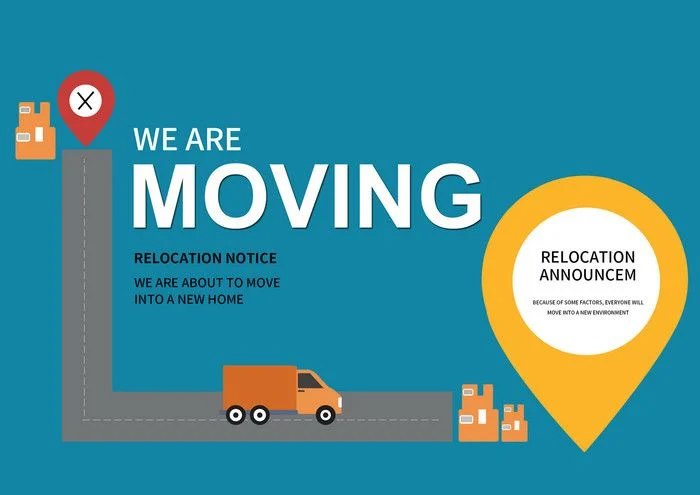
Every successful relocation email contains several essential sections. Below we break down each part, explain its purpose, and suggest best‑practice phrasing.
1. Clear Subject Line
The subject line is the gateway to your message. It should be concise yet informative, prompting the recipient to open the email promptly. Consider using actionable language and the core keyword:
- “Important: Our Office Is Moving – New Address Effective July 1”
- “Announcing Our Relocation – Updated Contact Details Inside”
For inspiration on crafting compelling subject lines, you might explore effective email subject lines that boost open rates.
2. Personalized Greeting
Address the recipient by name whenever possible. Personalization demonstrates respect and increases engagement. If you’re sending a bulk email, a generic yet courteous greeting works well:
Dear Valued Client,
3. Brief Opening Statement
Open with a concise sentence that states the purpose of the email. Place the keyword early to reinforce relevance:
We are excited to inform you that our company is relocating to a new, modern facility to better serve your needs.
4. Detailed Relocation Information
This is the heart of the email. Include:
- Current and new addresses (full street, city, state, ZIP).
- Effective date of the move.
- Reason for relocation (e.g., expansion, improved accessibility).
- Impact on services (any downtime, changes in contact numbers, etc.).
5. Call to Action (CTA)
Guide recipients on what to do next. Common CTAs include confirming receipt, updating records, or contacting a dedicated liaison for questions.
6. Contact Information
Provide a direct line, email, or point of contact for relocation‑related inquiries. This reassures stakeholders that support remains available.
7. Closing Remarks and Appreciation
End on a positive note, thanking the reader for their continued partnership and expressing enthusiasm for the new chapter.
Sample Company Relocation Notification Email
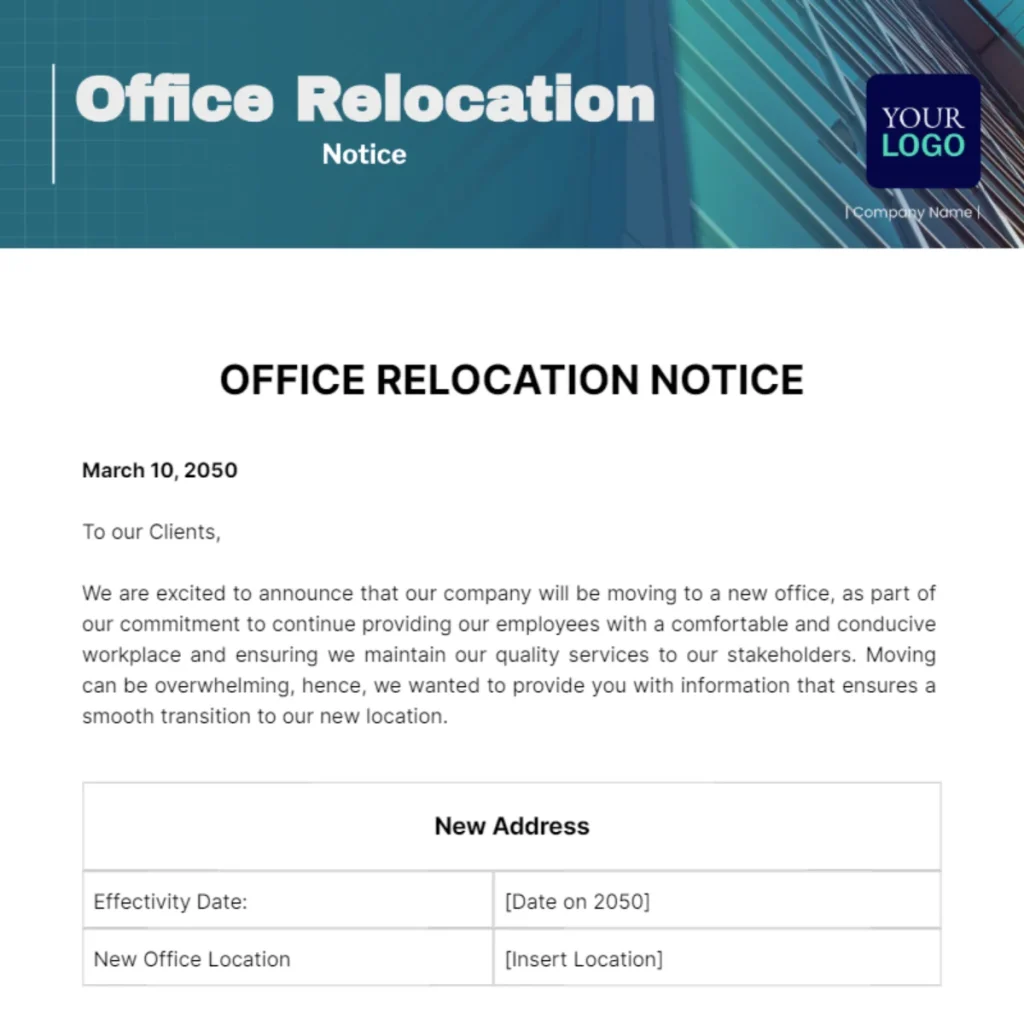
Below is a fully formatted company relocation notification email example that incorporates all the elements discussed. Feel free to copy, paste, and customize it for your own use.
Subject: Important: Our Office Is Moving – New Address Effective July 1
Dear [First Name],
We are thrilled to announce that [Company Name] will be relocating to a new headquarters to better support our growing clientele and enhance our service capabilities.
**New Address:**
[New Street Address]
[City, State, ZIP]
**Effective Date:** July 1, 2026
Our decision to move stems from a commitment to provide you with a more spacious, technologically advanced environment that will enable us to deliver faster response times and expanded offerings. Please note the following important details:
- **Phone Numbers:** Our main line will remain the same, but a temporary extension change may occur during the transition week (June 28‑June 30). We will notify you of any adjustments.
- **Service Continuity:** All services will continue uninterrupted. In the unlikely event of a brief outage, we will communicate any scheduled downtime at least 24 hours in advance.
- **Mail:** Please update your records to reflect our new mailing address starting July 1. Mail sent to the old address after this date will be forwarded automatically for one month.
- **Parking & Access:** The new building offers ample parking and is wheelchair‑accessible. Detailed directions are attached.
If you have any questions, concerns, or need assistance updating your records, please reach out to our Relocation Coordinator, Jane Doe, at [email protected] or call (555) 123‑4567.
We appreciate your partnership and look forward to welcoming you to our new location. Thank you for your continued trust in [Company Name].
Warm regards,
[Your Name]
[Your Title]
[Company Name]
[Phone] | [Email]
Best Practices for Sending the Relocation Email

Even the best‑written email can fall flat if not delivered thoughtfully. Follow these best practices to maximize impact.
Timing and Frequency
- Initial Announcement: Send at least 4–6 weeks before the move to give stakeholders ample notice.
- Reminder Emails: Follow up 2 weeks prior and again 2 days before the relocation date.
- Post‑Move Confirmation: Send a thank‑you note after the move, confirming the new address and offering assistance.
Segmentation
Different audiences may need tailored information. Segment your list into categories such as clients, vendors, employees, and partners, then adjust the tone and details accordingly. For example, vendors might need specific instructions about delivery locations, while clients may be more interested in service continuity.
Use of Visuals
Including a simple map, a photo of the new office façade, or a floor plan can help recipients visualize the change. Visuals also break up text, making the email more scannable.
Testing and Optimization
Before hitting “send,” run A/B tests on subject lines and preview the email across devices. Ensure the email renders correctly on mobile, as many stakeholders read messages on smartphones.
Legal and Compliance Considerations
Depending on your industry, certain regulatory disclosures may be required when changing business addresses (e.g., updating the address on invoices, contracts, or licensing documents). Verify compliance with local laws and industry standards.
How to Integrate the Relocation Email into a Broader Communication Plan

A relocation announcement is only one piece of a comprehensive change‑management strategy. Align the email with other channels for consistency and reinforcement.
Internal Communications
Start with an internal briefing for employees. Provide FAQs, moving day logistics, and new office guidelines. A well‑informed staff becomes an ambassador for the transition.
Website and Social Media Updates
Update your website’s contact page, footer, and any location‑specific landing pages. Post an announcement on LinkedIn, Twitter, and Facebook, linking back to the detailed blog post or press release.
Physical Signage and Mailings
Place “We’ve Moved!” signs at the old location and include a postcard with the new address in outbound mailings. Consistency across physical and digital touchpoints strengthens the message.
Customer Support Scripts
Equip your support team with a script that references the relocation email. This ensures they can answer questions confidently and redirect callers to the appropriate resources.
Common Pitfalls to Avoid
Even seasoned marketers can stumble when announcing a move. Below are frequent errors and how to sidestep them.
- Vague Timing: Never leave the exact move date ambiguous. Provide a clear “effective date” and, if possible, a timeline of key milestones.
- Overloading with Details: Keep the email succinct. Attach a detailed FAQ or a separate document for those who need more information.
- Neglecting Follow‑Up: Failing to send reminders can lead to missed updates. Schedule automated follow‑ups in your email platform.
- Ignoring Accessibility: Use plain language, proper headings, and alt text for images to ensure the email is accessible to all readers.
- Forgetting Internal Stakeholders: Employees often learn about moves through external channels, causing confusion. Prioritize internal announcements first.
Real‑World Example: Performance Review Email Sample
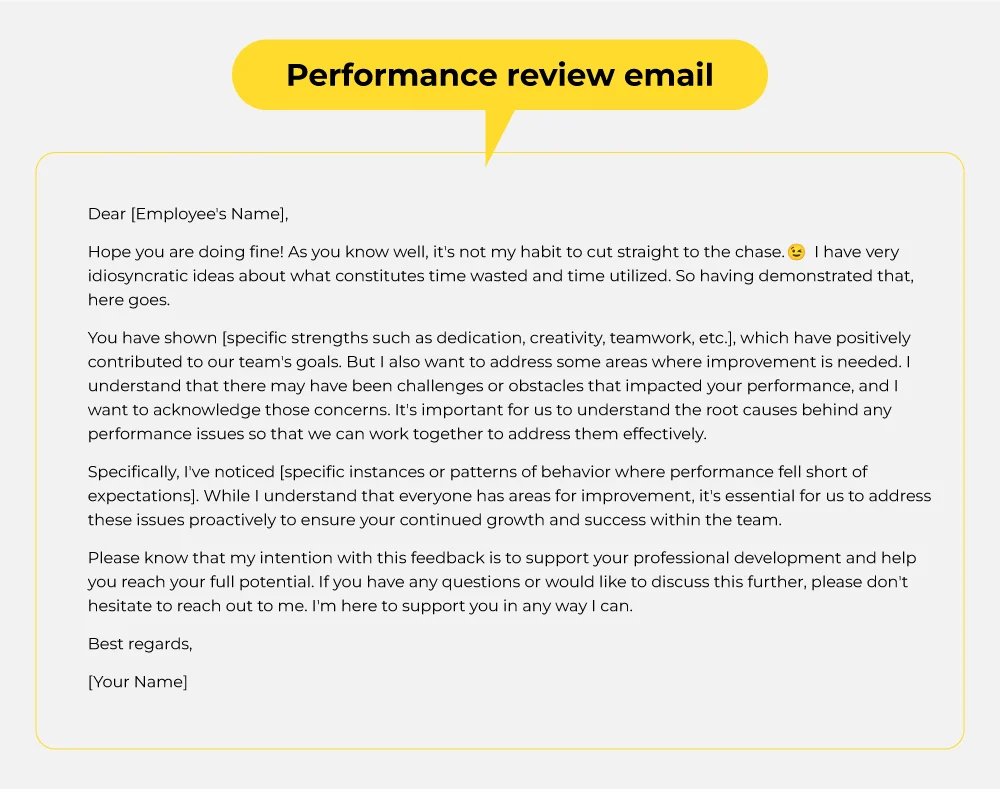
While the focus of this article is relocation, the principles of clear, actionable communication apply across all business emails. If you’re looking for another high‑impact template, consider reviewing our performance review email sample. It showcases how to blend structure, empathy, and a strong CTA—skills that translate directly to relocation notices.
Final Thoughts

Crafting a professional company relocation notification email example is both an art and a science. By focusing on clarity, timing, and stakeholder empathy, you can turn a potentially disruptive event into an opportunity to reinforce trust and showcase organizational competence. Use the template provided as a starting point, customize it to your brand voice, and integrate the announcement into a broader, multi‑channel communication plan.
Remember, the goal isn’t just to tell people where you’re moving; it’s to assure them that the move will enhance their experience with your company. When done right, the relocation email becomes a bridge—connecting the past and the future while keeping everyone comfortably on board.
If you’re interested in seeing how other email formats can boost engagement, check out our guide on writing a polite rejection email. The same attention to tone and structure will help you refine any corporate communication.