Table of Contents
- Why a Referral Request Email Still Matters in 2024
- Core Elements of an Effective Referral Request Email
- Crafting the Perfect Subject Line
- Opening with a Warm, Relevant Greeting
- Providing Context in Two Sentences
- Making a Specific, Actionable Ask
- Highlighting Mutual Benefits
- Streamlining the Referral Process
- Closing with Appreciation and Next Steps
- Ready‑to‑Use Referral Request Email Samples
- Sample 1: B2B Service Referral
- Sample 2: Job‑Seeking Referral
- Sample 3: Referral for a Service Provider
- Best Practices for Follow‑Up and Tracking
- Common Mistakes to Avoid
- Integrating Referral Requests into a Broader Outreach Strategy
- Measuring Success and Optimizing Your Emails
- Final Thoughts on Mastering Referral Request Emails
When you need to expand your business reach or land a new client, a well‑crafted referral request email sample example can be the most effective tool in your arsenal. The phrase “referral request email sample example example” might sound repetitive, but it underscores the importance of having multiple proven templates at your disposal. In today’s fast‑paced digital environment, a concise, polite, and compelling request can open doors that cold calls simply cannot.
While many professionals assume that a simple “Can you refer me?” will suffice, the reality is far more nuanced. Your email must convey respect for the recipient’s time, clearly explain the value proposition, and make the referral process effortless. This article delves deep into the anatomy of a high‑impact referral request email, provides ready‑to‑use samples, and equips you with actionable strategies to maximize response rates.
Why a Referral Request Email Still Matters in 2024
Even with the rise of social media and networking platforms, email remains a trusted medium for formal communication. A well‑written referral request email still carries a level of professionalism that instant messages often lack. Moreover, email gives you the space to articulate your ask thoughtfully, attach supporting documents, and follow up systematically.
Research shows that referrals generate up to 30% higher conversion rates compared to other lead sources. When you combine that with a compelling email, the odds of securing a warm introduction increase dramatically. For further reading on the power of well‑crafted business correspondence, check out Why a Well‑Written Business Email Still Matters.
Core Elements of an Effective Referral Request Email
Before diving into sample templates, it’s essential to understand the building blocks that make a referral request persuasive:
- Clear Subject Line: Capture attention without sounding spammy.
- Personalized Greeting: Use the recipient’s name and reference recent interactions.
- Brief Context: Remind them who you are and why you’re reaching out.
- Specific Ask: Clearly state the type of referral you need.
- Value Proposition: Explain how the referral benefits both parties.
- Ease of Action: Provide a simple, step‑by‑step way to refer you.
- Gratitude & Follow‑Up: Thank them in advance and outline next steps.
Crafting the Perfect Subject Line
The subject line is your first impression. Aim for 6‑10 words, include the word “referral” if possible, and personalize when you can. Examples include:
- “Quick referral request – could you help?”
- “[Name], could you introduce me to [Target]?”
- “Seeking your guidance for a potential partnership”
Opening with a Warm, Relevant Greeting
Start by referencing a recent meeting, a shared article, or a common interest. This demonstrates that the email isn’t a generic blast. For instance:
“Hi Sarah, I really enjoyed our conversation at the Tech Leaders Summit last week. Your insights on AI integration were eye‑opening.”
Providing Context in Two Sentences
Briefly remind the recipient why you’re contacting them and what you do. Avoid lengthy bios; focus on relevance.
“As a senior consultant at GreenTech Solutions, I help midsize manufacturers cut energy costs by up to 25%.”
Making a Specific, Actionable Ask
Vague requests lead to low response rates. Specify the ideal referral target and why they’re a good fit.
“I’m looking to connect with the procurement manager at SolarWave Industries, who I understand is exploring renewable energy partners.”
Highlighting Mutual Benefits
People are more inclined to help when they see a win‑win scenario. Explain how the referral can benefit the recipient, their network, or the referred party.
“A partnership could give SolarWave access to our patented energy‑efficiency software, while also positioning GreenTech as a leader in sustainable solutions—a story you could share with your professional network.”
Streamlining the Referral Process
Offer a ready‑to‑forward paragraph or a brief intro template that the recipient can copy‑paste. This removes friction and shows respect for their time.
Example forwardable snippet:
Hi [Target Name],
I’d like to introduce you to Alex Rivera from GreenTech Solutions. Alex’s team specializes in reducing manufacturing energy costs and could be a valuable partner for SolarWave’s upcoming sustainability initiatives.
Would you be open to a quick call next week?
Best,
Sarah
Closing with Appreciation and Next Steps
End on a courteous note, reaffirm your gratitude, and suggest a follow‑up timeline.
“Thank you for considering this request, Sarah. I’ll check back in next Thursday to see if you need any additional information.”
Ready‑to‑Use Referral Request Email Samples
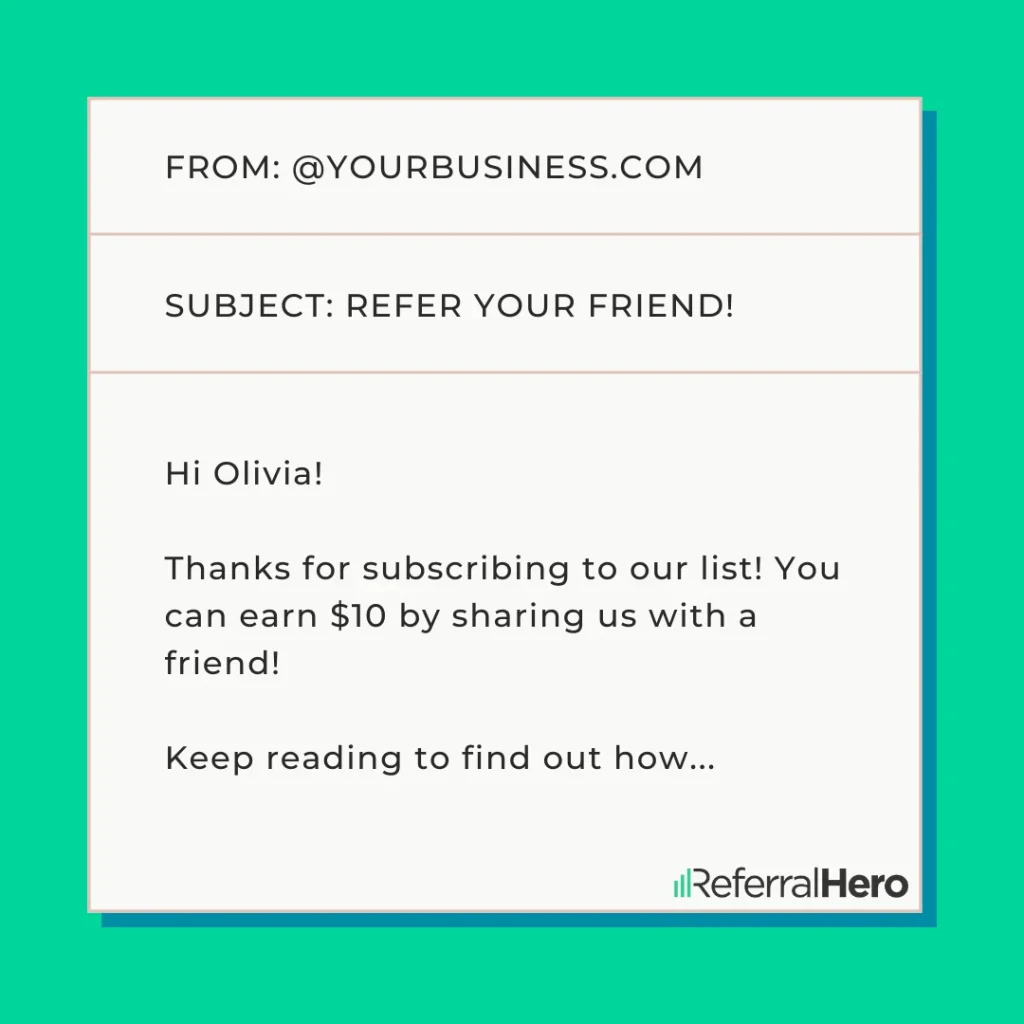
Below are three adaptable templates for different scenarios—each includes the core elements discussed earlier. Feel free to tailor the language to match your brand voice.
Sample 1: B2B Service Referral
Subject: Quick favor – could you introduce me to your colleague at XYZ Corp?
Hi Michael,
I hope you’re doing well. It was great catching up at the recent Marketing Leaders Webinar; your comment on data‑driven strategies really resonated with me.
As the Business Development Manager at Insight Analytics, I help tech firms unlock actionable insights from their customer data, often increasing ROI by 20% within the first six months.
I’m currently seeking an introduction to the VP of Marketing at XYZ Corp, who I understand is evaluating new analytics platforms. A brief referral would be invaluable, and I believe XYZ could benefit from the predictive modeling tools we’ve successfully deployed for similar companies.
To make it easy, I’ve drafted a short intro you could forward:
Hi [VP Name],
I’d like to connect you with Jamie Lee from Insight Analytics. Jamie’s team specializes in turning raw data into strategic growth opportunities—something that could align well with XYZ’s upcoming campaign initiatives.
Would you be open to a brief call next week?
Best,
Michael
Thank you for considering this, Michael. I’ll follow up next Friday to see if you need any more details.
Warm regards,
Emily Chen
Business Development Manager, Insight Analytics
[email protected]
(555) 123‑4567
Sample 2: Job‑Seeking Referral
Subject: Referral request – interested in the Product Manager role at Acme Tech
Hi Laura,
It was a pleasure collaborating with you on the recent UX research project. Your feedback helped us refine our prototype significantly.
I’m actively exploring Product Manager opportunities, and the opening at Acme Tech aligns perfectly with my experience in agile development and cross‑functional team leadership.
If you feel comfortable, could you introduce me to the hiring manager, Sam Patel? I’ve attached a concise intro you could forward, making the process seamless for you.
Thank you for your support, Laura. I’ll touch base next week to see if there’s anything else I can provide.
Best,
Jordan Lee
Product Management Professional
[email protected]
(555) 987‑6543
Sample 3: Referral for a Service Provider
Subject: Could you refer me to the facilities manager at BrightBuild?
Hi Carlos,
I enjoyed our recent coffee chat about sustainable building practices. Your insights into green certifications were enlightening.
My firm, EcoClean Services, offers certified eco‑friendly cleaning solutions that reduce chemical usage by 80% and improve indoor air quality—a perfect fit for BrightBuild’s upcoming LEED certification project.
Would you be willing to introduce me to the facilities manager, Ana Torres? Below is a ready‑to‑send paragraph you can use:
Hi Ana,
I’d like to introduce you to Maya Patel from EcoClean Services. Maya’s team provides environmentally responsible cleaning solutions that could support BrightBuild’s LEED certification goals.
Could we schedule a quick call to discuss further?
Thanks,
Carlos
I appreciate your help, Carlos. I’ll follow up in a few days to see if you need any additional information.
Kind regards,
Maya Patel
Account Executive, EcoClean Services
[email protected]
(555) 222‑3333
Best Practices for Follow‑Up and Tracking
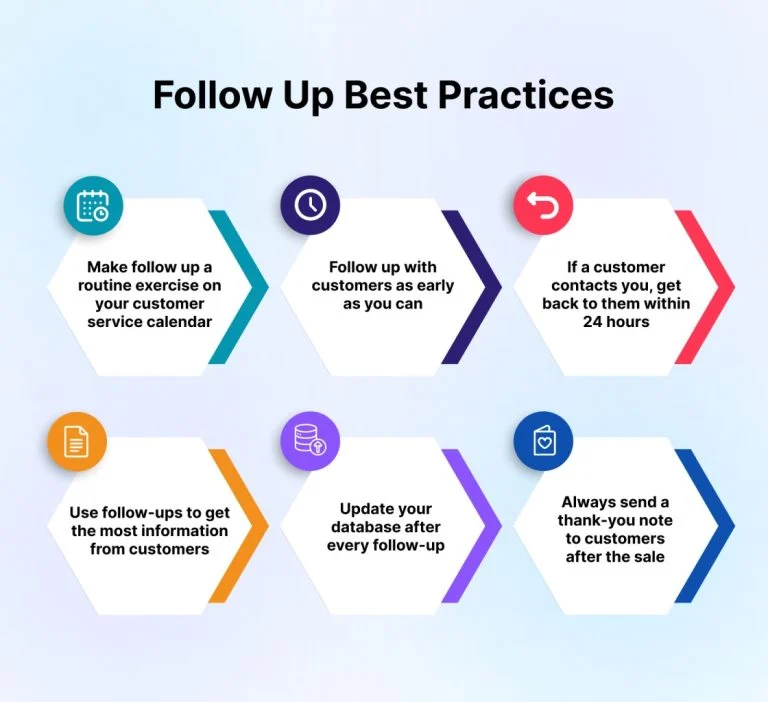
Sending the initial email is only half the battle. A structured follow‑up plan ensures you stay top‑of‑mind without being pushy. Consider these tactics:
- Timing: Wait 3‑5 business days before the first reminder.
- Medium: If you have a phone number, a brief polite call can reinforce the email.
- Tracking: Use email tracking tools to monitor opens and clicks; adjust your approach based on engagement.
- Thank‑You Note: Once a referral is made, send a personalized thank‑you within 24 hours, and keep the referrer updated on progress.
Remember, a grateful tone not only strengthens the current relationship but also paves the way for future referrals.
Common Mistakes to Avoid

Even the most well‑intentioned email can fall flat if it contains pitfalls. Here are frequent errors and how to sidestep them:
- Being Too Vague: “Can you refer me?” is insufficient. Specify who and why.
- Overloading with Information: Keep the email under 200 words; attach detailed documents separately.
- Neglecting Reciprocity: Offer something of value—perhaps a testimonial, a referral in return, or useful industry insight.
- Ignoring the Recipient’s Schedule: Acknowledge busy periods and suggest a convenient time frame.
- Forgetting to Proofread: Typos can undermine credibility. Use tools like Grammarly or have a colleague review.
Integrating Referral Requests into a Broader Outreach Strategy
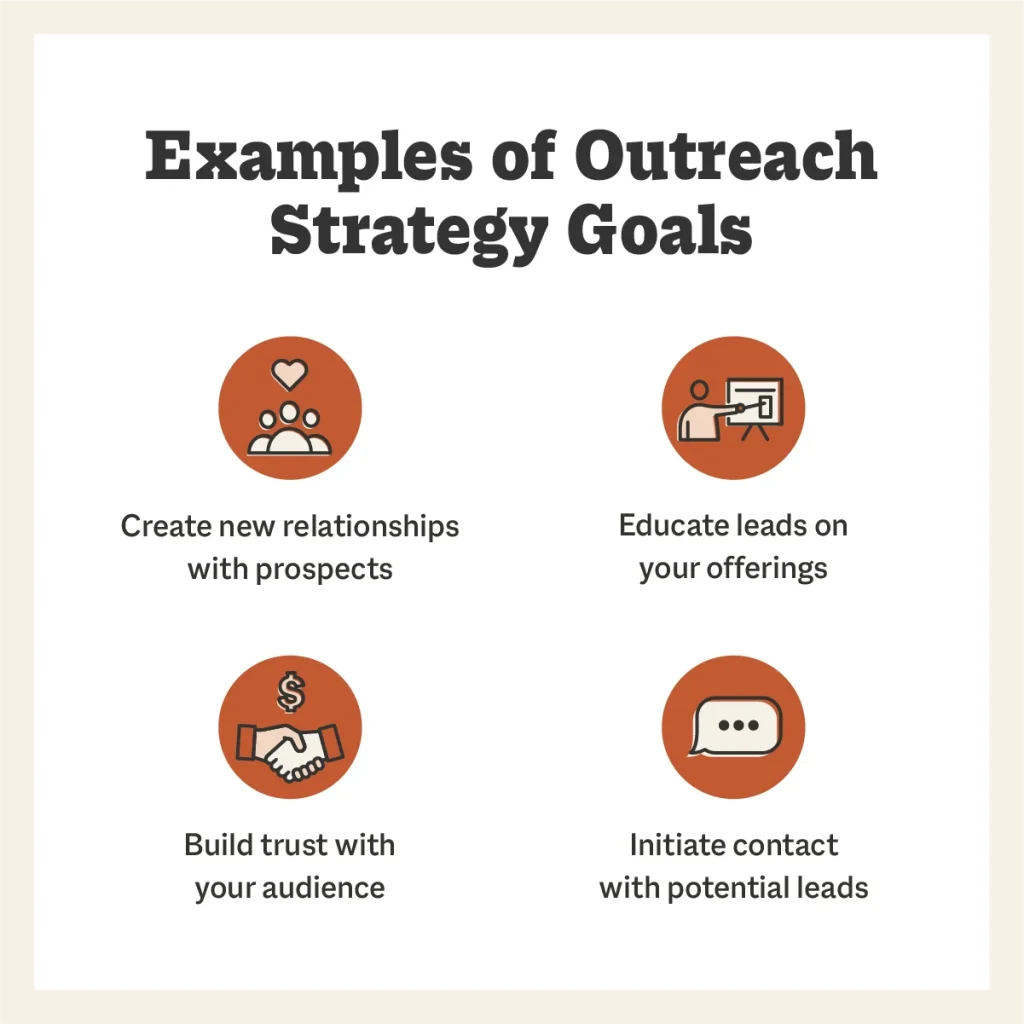
Referral requests should complement, not replace, other outreach methods. Blend them with content marketing, LinkedIn networking, and targeted ads to create a multi‑channel approach. For example, you could share a case study on your website, then reference that success story in your referral email, reinforcing credibility.
Additionally, consider using a CRM to tag contacts who have agreed to refer you, set reminders for follow‑ups, and log outcomes. This data helps you refine messaging over time and recognize top referral partners.
Measuring Success and Optimizing Your Emails
Key performance indicators (KPIs) for referral request emails include:
- Open Rate: Aim for 30%+; a compelling subject line drives this.
- Response Rate: 10‑15% is typical; higher rates indicate strong relationships.
- Conversion Rate: The percentage of referrals that become qualified leads.
- Referral Quality Score: Evaluate the relevance and potential revenue of each referral.
Run A/B tests on subject lines, greeting styles, and call‑to‑action wording. Small tweaks can produce notable improvements in response rates.
Final Thoughts on Mastering Referral Request Emails
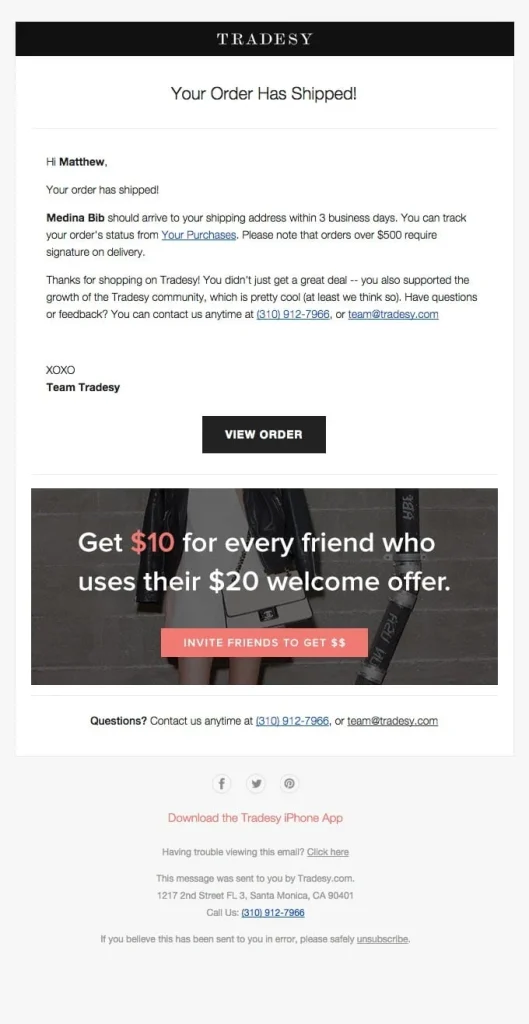
Crafting an effective referral request email sample example is both an art and a science. By combining personalization, clarity, and a focus on mutual benefit, you transform a simple ask into a strategic opportunity. Remember to keep the email concise, provide an easy-to‑forward template, and follow up graciously. When executed correctly, these emails can become a steady pipeline of high‑quality leads and reinforce professional relationships across industries.
Whether you’re a sales professional, a job seeker, or a service provider, the principles outlined here will help you design referral requests that resonate and deliver results. Start testing these templates today, track your outcomes, and watch your network—and your business—grow.