Table of Contents
- Understanding the Core Purpose of a Collaboration Proposal Email
- Essential Components of a Winning Collaboration Proposal Email
- 1. Compelling Subject Line
- 2. Personalized Greeting
- 3. Brief Introduction of Your Company
- 4. Clear Value Proposition
- 5. Suggested Collaboration Idea
- 6. Call to Action (CTA)
- 7. Professional Sign‑off
- Step‑by‑Step Guide to Drafting Your Email
- Step 1: Research and Align Objectives
- Step 2: Outline the Email Structure
- Step 3: Write a Draft Focused on Benefits
- Step 4: Refine for Brevity and Tone
- Step 5: Add a Polished CTA
- Step 6: Proofread and Test
- Sample Collaboration Proposal Email (Ready to Use)
- Tips to Increase Response Rates
- Avoid Common Pitfalls
- Over‑Selling
- Generic Templates
- Missing Contact Information
- Neglecting a Subject Line Test
- Follow‑Up Strategies That Work
- Measuring Success and Iterating
When you want to join forces with another company, a well‑crafted collaboration proposal email is often the first—and sometimes only—opportunity to make a strong impression. Collaboration proposal email sample example isn’t just a formality; it’s a strategic communication that conveys professionalism, aligns goals, and sets the tone for a mutually beneficial relationship. In today’s fast‑paced business environment, decision‑makers skim dozens of messages daily, so every word counts.
Understanding why a clear, concise, and compelling email works is essential. A well‑written business email still matters because it reflects your brand’s credibility and shows respect for the recipient’s time. As highlighted in an insightful piece on email etiquette, why a well‑written business email still matters, the structure and tone can be the difference between a partnership that thrives and one that never gets off the ground.
Below, we dive deep into the anatomy of an effective collaboration proposal email, provide actionable tips, and share a fully editable sample that you can adapt to any industry. Whether you’re a startup looking for a strategic ally, a marketer seeking co‑branding opportunities, or a tech firm exploring joint‑development projects, this guide will equip you with everything you need to craft an email that gets noticed and, more importantly, gets a positive response.
Understanding the Core Purpose of a Collaboration Proposal Email
A collaboration proposal email is more than a polite request; it’s a concise business pitch that outlines the value you bring, the synergies you’ve identified, and the next steps you envision. The primary goals are to:
- Introduce yourself and your organization in a memorable way.
- Demonstrate clear research on the potential partner’s business.
- Highlight mutual benefits and specific outcomes.
- Invite a dialogue without overwhelming the reader.
When these elements are presented in a logical flow, the recipient can quickly assess the relevance of the proposal and decide whether to engage further. The email should therefore be succinct—typically 150‑250 words—but packed with relevance.
Essential Components of a Winning Collaboration Proposal Email
1. Compelling Subject Line
The subject line determines whether your email is opened. Aim for clarity, relevance, and a hint of intrigue. Examples include:
- “Co‑Create a Summer Campaign that Doubles Reach – Partnership Idea”
- “Exploring a Joint Product Launch for Q3 2026”
- “Let’s Combine Our Strengths to Drive 20% More Leads”
2. Personalized Greeting
Address the recipient by name and, if possible, reference a recent achievement or piece of content they produced. This shows you’ve done your homework.
3. Brief Introduction of Your Company
One or two sentences that capture who you are, your market position, and a noteworthy metric (e.g., “We’ve helped over 500 retailers increase online sales by 35%”).
4. Clear Value Proposition
Explain why you’re reaching out and what you believe both parties stand to gain. Use specific numbers or case studies to reinforce credibility.
5. Suggested Collaboration Idea
Present a concise, tangible concept—whether it’s a co‑branded webinar, a joint research report, or a shared product bundle. Keep the scope realistic for an initial discussion.
6. Call to Action (CTA)
Invite the recipient to a short call, a coffee meeting, or a reply with their thoughts. Provide a few time slots to make scheduling easier.
7. Professional Sign‑off
Include full contact details, a link to your LinkedIn profile, and any relevant social proof (e.g., press mentions).
Step‑by‑Step Guide to Drafting Your Email
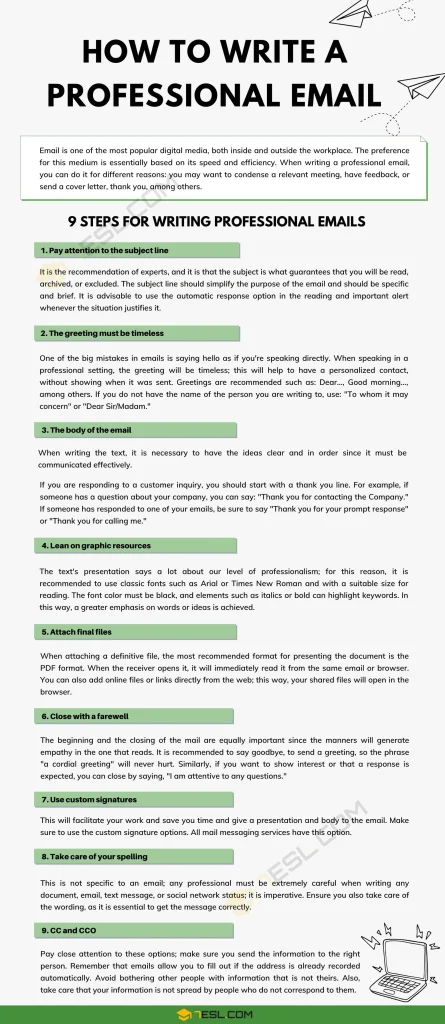
Step 1: Research and Align Objectives
Before you type a single word, gather intelligence on the potential partner. Look at their recent press releases, social media activity, and customer base. Identify at least two points of alignment—whether it’s shared audience demographics, complementary technology, or a mutual market challenge.
Step 2: Outline the Email Structure
Sketch a quick outline using the components listed above. This prevents you from meandering and ensures every paragraph serves a purpose.
Step 3: Write a Draft Focused on Benefits
Shift the narrative from “what we want” to “what we can achieve together.” Use action‑oriented language and avoid jargon that could cloud the core message.
Step 4: Refine for Brevity and Tone
Read the draft aloud. If any sentence feels redundant, cut it. Aim for a friendly yet professional tone—think of how you’d speak in a brief face‑to‑face meeting.
Step 5: Add a Polished CTA
Offer concrete next steps. For example: “Would you be available for a 15‑minute call next Tuesday at 10 AM EST or Thursday at 2 PM EST? I can also send a calendar invite if those times don’t work.”
Step 6: Proofread and Test
Check for spelling, grammar, and formatting errors. Send a test email to yourself to verify that links (including any internal references) display correctly. A small detail—like a broken link—can undermine credibility.
Sample Collaboration Proposal Email (Ready to Use)
Subject: Co‑Develop a Sustainability Webinar Series – Partner Opportunity
Hi Alex,
I hope you’re doing well. I was impressed by GreenTech’s recent “Zero‑Waste Manufacturing” case study—especially the 22% reduction in material waste you achieved for XYZ Corp.
My name is Maya Patel, Head of Partnerships at EcoInnovate, a SaaS platform that helps manufacturers track and report carbon footprints in real time. Over the past year, we’ve helped more than 150 companies cut emissions by an average of 18%, and our latest analytics dashboard was featured in TechCrunch’s “Top Green Tech Tools 2025.”
Given our shared focus on sustainability, I see a clear opportunity for us to co‑host a three‑part webinar series that showcases practical waste‑reduction strategies for mid‑size manufacturers. Here’s a quick outline of the collaboration:
1. **Joint Webinar (45 min)** – Your team presents the case study; we provide live data visualizations.
2. **Co‑Branded e‑Guide** – Summarizing key takeaways, distributed to both audiences.
3. **Lead‑Sharing Agreement** – Mutual access to registrants for follow‑up outreach.
The series could boost both brands’ thought‑leadership and generate an estimated 1,200 qualified leads combined.
Would you be open to a brief 15‑minute call next week to explore this further? I’m available Tuesday at 10 AM EST or Thursday at 2 PM EST. If neither works, just let me know a convenient time, and I’ll adjust.
Looking forward to the possibility of working together.
Best regards,
Maya Patel
Head of Partnerships | EcoInnovate
Phone: (555) 123‑4567
LinkedIn: Maya PatelWebsite: ecoinnovate.com
This template follows the structure outlined earlier, yet it leaves enough flexibility for you to insert industry‑specific details, adjust the tone, or expand the collaboration scope.
Tips to Increase Response Rates
![[Infographic] 5 best ways to increase survey response rates - Demandforce](https://misneighbors.com/wp-content/uploads/2026/01/infographic-5-best-ways-to-increase-survey-response-rates-demandforce-524x1024.webp)
- Personalize Every Element – Even a small reference to a recent blog post shows genuine interest.
- Keep It Short – Decision‑makers appreciate brevity; aim for under 200 words.
- Leverage Social Proof – Mention awards, press coverage, or notable clients to build trust.
- Use a Clear CTA – Ambiguous requests (“Let me know what you think”) often get ignored.
- Follow Up Strategically – If you haven’t heard back after 5‑7 days, send a polite reminder referencing the original email.
Avoid Common Pitfalls
Over‑Selling
While showcasing value is vital, bombarding the recipient with a laundry list of features can dilute the core message. Stick to two or three high‑impact benefits.
Generic Templates
Copy‑pasting the same email to dozens of prospects without tailoring it reduces relevance and can trigger spam filters. Personalization signals that you respect the recipient’s unique context.
Missing Contact Information
Never assume the reader will find your details elsewhere. Include phone, email, and a link to a professional profile—just as the Ultimate Guide to a Supplier Rejection Email demonstrates by providing clear next steps.
Neglecting a Subject Line Test
If you have a sizable contact list, A/B test two subject lines for open‑rate performance. Small changes (“Let’s collaborate” vs. “Co‑create a product that drives 20% growth”) can have a big impact.
Follow‑Up Strategies That Work

Even a perfectly crafted email may sit unread due to a busy inbox. A structured follow‑up plan can revive interest without appearing pushy:
- Day 5 – Gentle Nudge: “Hi Alex, just checking if you had a chance to review my proposal. I’d love to hear your thoughts.”
- Day 10 – Added Value: Share a relevant article, case study, or statistic that reinforces the partnership’s potential.
- Day 15 – Final Touchpoint: Offer a last‑chance meeting slot and express openness to revisiting the idea later if timing isn’t right.
Remember to keep each follow‑up concise and respectful of the recipient’s time.
Measuring Success and Iterating

Track the performance of your collaboration emails using metrics such as open rate, reply rate, and conversion to scheduled calls. Tools like HubSpot or Mailshake can automate tracking and provide insights for continuous improvement. Over time, you’ll identify which subject lines, value propositions, and CTAs resonate most with your target partners.
If you’re interested in refining other business communications, you might also explore how to craft a killer referral request email, which shares many of the same principles of personalization and clear calls to action.
In summary, a collaboration proposal email is a high‑impact tool that, when executed with research, clarity, and a focus on mutual benefit, can open doors to strategic alliances that accelerate growth. Use the sample template as a launchpad, apply the tips above, and adapt the language to reflect your brand’s voice. With persistence and thoughtful follow‑up, you’ll turn more cold contacts into enthusiastic partners.