Table of Contents
- Why Subject Lines Matter in Professional Communication
- First Impressions Count
- Impact on Open Rates
- Professional Brand Building
- Core Principles of an Effective Subject Line
- Clarity Over Cleverness
- Brevity Is Your Ally
- Relevance and Context
- Appropriate Tone
- Urgency Without Panic
- Top Subject Line Formulas for Different Scenarios
- Request / Action‑Oriented Emails
- Follow‑Up Emails
- Meeting Invitations
- Announcements & Updates
- Networking & Partnership Outreach
- Onboarding & New Hire Communication
- Testing and Optimizing Your Subject Lines
- A/B Testing for Data‑Driven Decisions
- Personalization Techniques
- Avoid Spam Triggers
- Leverage Analytics Tools
- Iterate Based on Feedback
In the fast‑paced world of business communication, the subject line is often the only chance you have to make a first impression. Best subject lines for professional emails can mean the difference between a message that’s opened within seconds and one that’s buried in a crowded inbox. As remote work and digital collaboration become the norm, mastering this tiny piece of copy is more critical than ever.
Think of the subject line as the cover of a book: it must intrigue, promise value, and convey relevance—all in fewer than ten words. When done right, it not only raises open rates but also signals professionalism, respect for the recipient’s time, and a clear intention. This article dives deep into the psychology behind subject lines, presents proven formulas, and offers practical tips you can implement today.
Whether you’re a sales executive chasing a lead, an HR manager announcing a new policy, or a CEO sharing strategic updates, the principles below will help you craft subject lines that get noticed, read, and acted upon.
Why Subject Lines Matter in Professional Communication
First Impressions Count
Research from the Radicati Group shows that the average office worker receives 121 emails per day. In that noise, a clear and compelling subject line is the only way to cut through. A well‑crafted line tells the reader you respect their time and that your email is worth their attention.
Impact on Open Rates
According to a 2023 Mailchimp study, subject lines that include personalization can boost open rates by up to 26%. Even small tweaks—like adding the recipient’s name or a specific reference to a recent interaction—signal relevance and increase the likelihood of a click.
Professional Brand Building
Every email you send contributes to your personal and corporate brand. Consistently using concise, polite, and purposeful subject lines reinforces a reputation for clarity and reliability. In contrast, vague or overly salesy lines can erode trust.
Core Principles of an Effective Subject Line
Clarity Over Cleverness
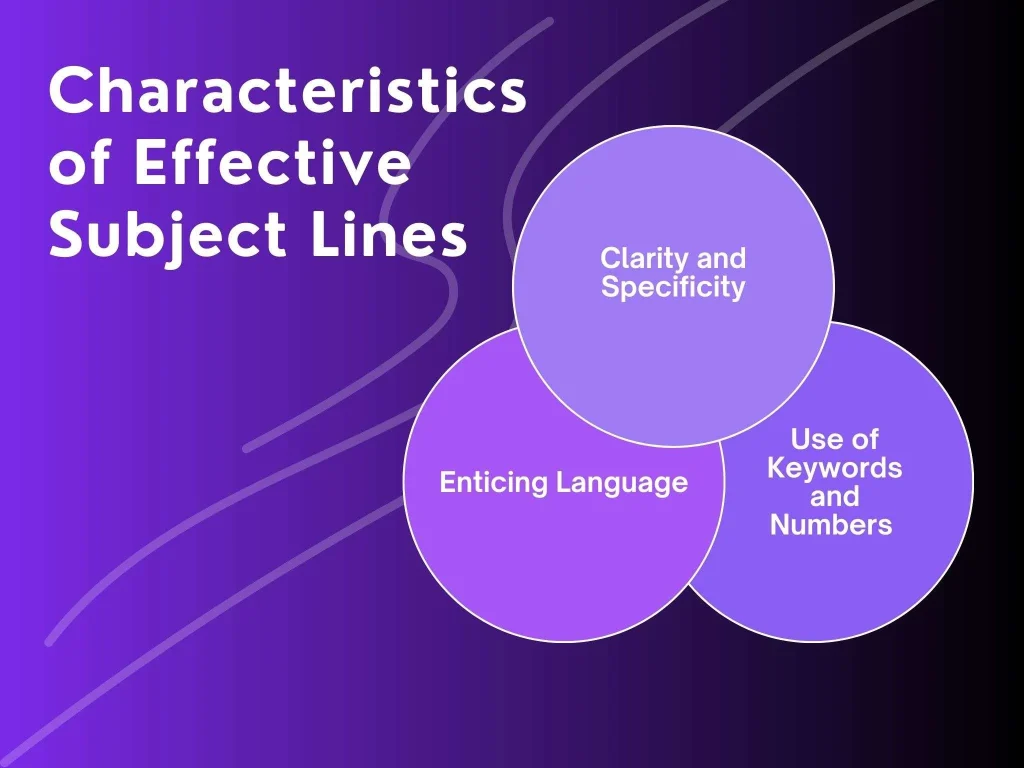
While a witty line can be memorable, clarity should never be sacrificed. Recipients should instantly understand what the email is about. For example, “Q3 Marketing Budget Review – Feedback Needed by Friday” is clearer than “Let’s Talk Money.”
Brevity Is Your Ally
Most email clients truncate subject lines after 50‑60 characters. Aim for 6‑8 words, or 40 characters, to ensure the full line is visible on mobile devices. Shorter lines also read faster, which is crucial when inboxes are overloaded.
Relevance and Context
Reference a shared project, meeting, or deadline. Phrases like “Follow‑up on Monday’s Call” or “Action Required: Contract #12345” immediately signal why the email matters to the reader.
Appropriate Tone
Match the formality of your relationship. A subject line to a senior executive should be more formal (“Quarterly Performance Review – Request for Input”), while a line to a close colleague can be slightly relaxed (“Quick Sync on the New Dashboard”).
Urgency Without Panic
Words such as “Urgent,” “Deadline,” or “Reminder” can increase open rates, but overusing them leads to fatigue. Reserve true urgency for genuine time‑sensitive matters.
Top Subject Line Formulas for Different Scenarios
Request / Action‑Oriented Emails
- “Action Required: Update Your Expense Report by 5 PM”
- “Please Review the Draft Contract – Feedback Needed by Thursday”
These lines combine a clear action verb with a deadline, prompting immediate attention.
Follow‑Up Emails
- “Following Up: Your Thoughts on the Proposal?”
- “Quick Check‑In – Did You Receive My Last Email?”
Adding “following up” acknowledges previous communication and shows persistence without sounding pushy.
Meeting Invitations
- “Invitation: Strategy Planning Session – June 12, 10 AM”
- “Can You Join the Quarterly Review Call Tomorrow?”
State the purpose, date, and time up front, so recipients can quickly assess their availability.
Announcements & Updates
- “New Remote Work Policy Effective July 1 – What You Need to Know”
- “Company‑Wide Announcement: CEO Transition Effective Immediately”
These subject lines convey importance and give a hint of the content, prompting higher open rates. For a deeper dive into internal communications, see our article on Why Internal Job Postings Matter for Modern Organizations.
Networking & Partnership Outreach
- “Exploring Collaboration Opportunities – Quick Call?”
- “Introducing Our New Product Line – Potential Partnership?”
When reaching out for the first time, mention a mutual interest or benefit to capture curiosity.
Onboarding & New Hire Communication
- “Welcome Aboard! Your First‑Day Checklist”
- “Next Steps: Completing Your Employee Portal Setup”
Clear onboarding subject lines reduce confusion for new hires. For a ready‑to‑use template, check out The Ultimate New Hire Onboarding Email Template Example That Will Wow Your New Employees.
Testing and Optimizing Your Subject Lines
A/B Testing for Data‑Driven Decisions
Split your email list and send two variations of the subject line. Track open rates, click‑through rates (CTR), and reply rates. Even a single word change—like “Review” vs. “Feedback”—can produce a measurable lift.
Personalization Techniques
Beyond using the recipient’s name, incorporate relevant data points such as the company name, recent purchase, or project title. “John, Your Quarterly Sales Report is Ready” feels more tailored than “Your Quarterly Sales Report.”
Avoid Spam Triggers
Words like “Free,” “Buy Now,” or excessive punctuation (!!!) can flag spam filters. Keep punctuation to a minimum and stay clear of all‑caps unless it’s an acronym.
Leverage Analytics Tools
Platforms like HubSpot, Mailchimp, and Outreach provide built‑in subject line performance dashboards. Use these insights to refine your language and timing.
Iterate Based on Feedback
Ask colleagues or a small focus group to review subject lines before wide distribution. Their perspective can highlight ambiguities you might have missed.
Remember, the best subject lines are not static; they evolve with your audience’s preferences and the changing communication landscape. Regularly audit your email performance, stay curious about new trends, and keep experimenting.
In summary, mastering the art of the subject line is a blend of psychology, data, and respect for the reader’s time. By applying the principles and formulas outlined above, you’ll see higher open rates, clearer conversations, and stronger professional relationships. The next time you draft an email, pause and ask: “Does this subject line instantly tell the recipient why they should open it?” If the answer is yes, you’re already on the path to email excellence.