Table of Contents
- Why a Dedicated Easter Closure Email Matters
- Key Elements of an Effective Easter Holiday Office Closure Email
- 1. Clear Subject Line
- 2. Warm Opening
- 3. Precise Dates & Times
- 4. Availability Details
- 5. Action Items for Recipients
- 6. Polite Closing & Appreciation
- Full Sample Email Template (Easter Holiday Office Closure Email Sample Example)
- Adapting the Template for Different Audiences
- Clients and External Partners
- Internal Teams
- Suppliers and Vendors
- Timing and Follow‑Up: When to Send the Email
- Design & Formatting Tips for Maximum Readability
- Common Pitfalls to Avoid
- Vague Language
- Missing Emergency Contact
- Over‑Promising
- Integrating the Email into Your Broader Communication Strategy
- Measuring the Effectiveness of Your Closure Email
- Advanced Customizations for Larger Organizations
- Sample Variations for Different Scenarios
- Short‑Term Maintenance Closure (Easter Weekend)
- Extended Holiday (Including Good Friday and Easter Monday)
- Remote‑Work Exception
- Final Checklist Before Hitting Send
Easter is a time of celebration, renewal, and, for many businesses, a well‑deserved break. Yet, announcing an office closure can be tricky—especially when you want to convey the necessary details without sounding abrupt or leaving customers and colleagues in the dark. This article walks you through every aspect of crafting an effective Easter holiday office closure email sample example, from tone and structure to timing and follow‑up strategies. By the end, you’ll have a ready‑to‑use template that reflects professionalism, empathy, and clear communication.
Whether you’re a small startup, a mid‑size corporation, or a multinational enterprise, the core principles remain the same: be concise, be courteous, and be clear about dates, expectations, and alternative contacts. A well‑written office closure notice not only preserves goodwill but also prevents missed deadlines, frustrated clients, and unnecessary internal confusion.
Below, we’ll explore the essential components of a flawless Easter holiday office closure email, provide a fully customizable sample, and share practical tips for tailoring the message to different audiences—clients, vendors, and internal teams alike.
Why a Dedicated Easter Closure Email Matters
In today’s fast‑paced business environment, a simple calendar update often isn’t enough. An explicit email serves multiple strategic purposes:
- Sets Clear Expectations: Recipients know exactly when the office will be closed and when normal operations will resume.
- Reduces Service Gaps: By providing alternative contacts or emergency procedures, you prevent bottlenecks.
- Strengthens Brand Image: A polite, well‑structured message signals professionalism and respect for the recipient’s time.
- Legal & Compliance Benefits: In regulated industries, documenting communication about service availability can be crucial.
Key Elements of an Effective Easter Holiday Office Closure Email
1. Clear Subject Line
The subject line should instantly convey the purpose and include the keyword for easy searchability. Examples include:
- “Easter Office Closure: Dates & Support Details (April 10‑14)”
- “Important: Our Office Will Be Closed for the Easter Holiday”
- “Easter Break Notice – Limited Support Available”
2. Warm Opening
Start with a friendly greeting and a brief acknowledgment of the holiday’s significance. This humanizes the message and builds rapport.
3. Precise Dates & Times
State the exact start and end dates, including time zones if you operate globally. Example: “Our office will be closed from 5:00 PM EST on Friday, April 10, 2026, and will reopen at 9:00 AM EST on Tuesday, April 14, 2026.”
4. Availability Details
Explain what level of support is available, if any. You might offer:
- Emergency contact numbers
- Limited email monitoring with expected response times
- Redirected queries to a partner or support desk
5. Action Items for Recipients
Encourage clients or colleagues to submit urgent requests before the closure, or to prepare for the downtime. This proactive approach minimizes last‑minute surprises.
6. Polite Closing & Appreciation
Thank the audience for their understanding and wish them a happy Easter. A courteous sign‑off reinforces goodwill.
Full Sample Email Template (Easter Holiday Office Closure Email Sample Example)
Feel free to copy, paste, and customize the following template for your organization’s voice and branding.
Subject: Easter Office Closure – April 10‑14, 2026 (Limited Support)
Dear [Recipient Name],
Happy Easter! As we celebrate this season of renewal, we would like to inform you that our office will be closed for the Easter holiday.
**Closure Details**
- **Start:** Friday, April 10, 2026 at 5:00 PM EST
- **Re‑open:** Tuesday, April 14, 2026 at 9:00 AM EST
During this period, our regular operations will be paused. However, we understand that urgent matters may arise. For critical issues, please contact our after‑hours support line at **+1‑800‑555‑0199** or email [email protected]. We will aim to respond within **2 hours**.
**What You Can Do Before the Break**
- Submit any pending requests or approvals by Thursday, April 9, 2026.
- Review upcoming deadlines and confirm that all deliverables are on track.
- Update your contact preferences if you anticipate needing extended support.
We appreciate your understanding and wish you a joyful Easter holiday filled with peace and happiness. Should you have any questions, feel free to reach out before the closure.
Warm regards,
[Your Name]
[Your Title]
[Company Name]
[Phone] | [Email]
[Company Website]
Adapting the Template for Different Audiences
Clients and External Partners
When addressing customers, emphasize the continuity of service and any emergency channels. Highlight how the closure will not affect existing contracts or deliverable dates unless explicitly stated.
Internal Teams
For employees, include HR‑related information such as payroll processing, benefits inquiries, and any optional remote‑work arrangements during the break.
Suppliers and Vendors
Notify suppliers about any changes in order processing or shipping schedules. Provide a point of contact for urgent supply chain issues.
Timing and Follow‑Up: When to Send the Email
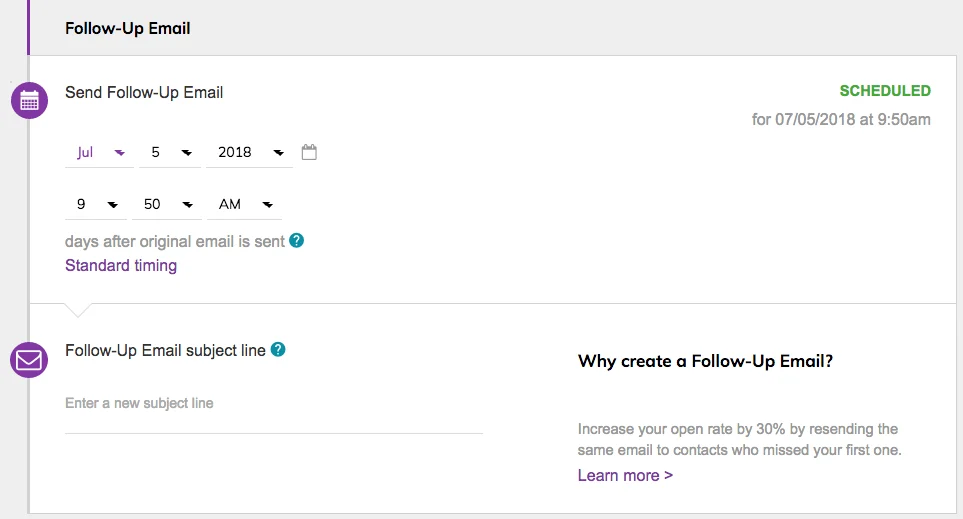
Best practice suggests sending the initial closure notice at least two weeks before the holiday. Follow up with a reminder 48 hours prior, and a “We’re back!” message on the first day of reopening.
- Initial Notice: 14 days before the closure.
- Reminder: 2 days before the closure.
- Re‑opening Announcement: Morning of the first working day after the holiday.
Design & Formatting Tips for Maximum Readability

- Use Bullet Points: Break down dates, actions, and contact info for quick scanning.
- Bold Key Information: Highlight dates, emergency numbers, and response times.
- Keep It Short: Aim for 150‑250 words; longer messages risk being ignored.
- Responsive Layout: Ensure the email looks good on mobile devices—most professionals read on the go.
Common Pitfalls to Avoid
Vague Language
Never assume the reader knows the time zone or the exact hours of limited support. Specify them clearly.
Missing Emergency Contact
If you claim limited support, provide at least one reliable way for recipients to reach you in an emergency.
Over‑Promising
Only promise what you can deliver. If you cannot guarantee a response within a certain timeframe, remove that promise to avoid disappointment.
Integrating the Email into Your Broader Communication Strategy
Beyond a single email, consider updating your well‑written business email practices across the organization. Align the closure notice with your company’s internal calendar, website banner, and social media posts for consistency. This multi‑channel approach ensures that no stakeholder is left uninformed.
For teams that rely heavily on recruiting and talent acquisition, you might also want to reference related resources, such as the Unlock the Ideal Offer Letter Email Format Example – Your Complete Guide to Winning Talent. While not directly about holiday closures, it reinforces the importance of clear, timely communication in all business interactions.
Measuring the Effectiveness of Your Closure Email
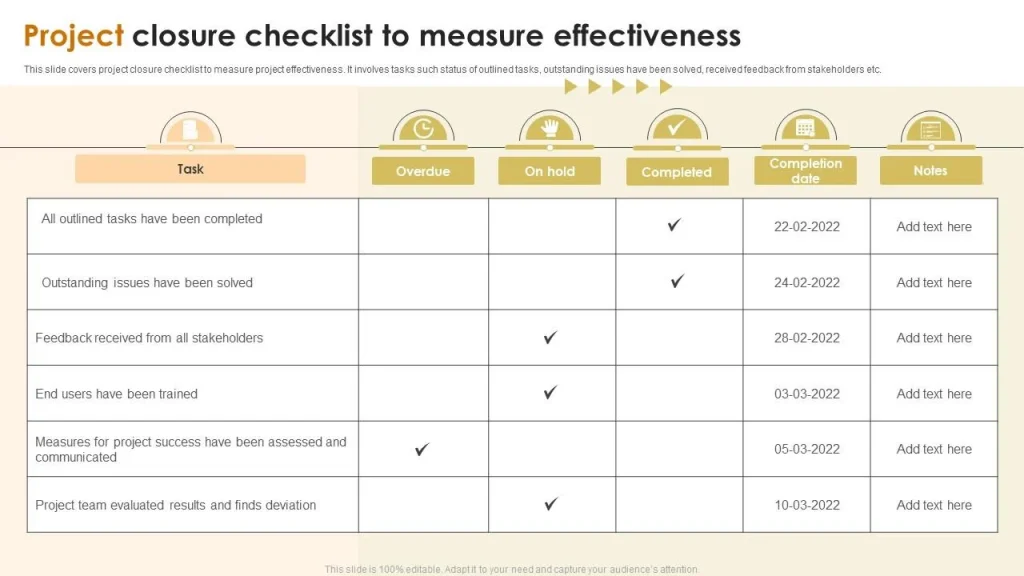
After the holiday, review key metrics to gauge how well the email performed:
- Open Rate: Aim for 70 %+; a strong subject line drives this.
- Click‑Through Rate (CTR): If you include links (e.g., to an FAQ page), track clicks.
- Response Volume: Compare the number of inbound queries during the closure to previous periods.
- Customer Satisfaction: Follow up with a brief survey asking if the closure notice met expectations.
Adjust future templates based on the data—perhaps shortening the email, adding more visual cues, or providing additional support options.
Advanced Customizations for Larger Organizations
For enterprises with multiple departments or global footprints, consider these enhancements:
- Dynamic Fields: Use merge tags to auto‑populate recipient names, department-specific contacts, and localized time zones.
- Segmented Sends: Separate client‑facing and internal audiences to tailor language and actionable items.
- Automated Reminders: Leverage email automation platforms to schedule the initial notice, reminder, and re‑opening messages without manual effort.
Sample Variations for Different Scenarios
Short‑Term Maintenance Closure (Easter Weekend)
If the office will be closed for only a few days (e.g., Friday to Monday), keep the email succinct, focusing on the exact days and limited support.
Extended Holiday (Including Good Friday and Easter Monday)
When the break spans a longer period, you might need to address ongoing projects, payment schedules, or upcoming deadlines that could be impacted.
Remote‑Work Exception
Some organizations allow staff to work remotely during holidays. In this case, clarify which functions remain active and which are paused.
Final Checklist Before Hitting Send

- ✅ Subject line includes “Easter” and “Office Closure.”
- ✅ Dates, times, and time zones are explicit.
- ✅ Emergency contact information is correct and tested.
- ✅ Action items are clearly listed for the recipient.
- ✅ Email is proofread for spelling, grammar, and tone.
- ✅ Mobile‑friendly formatting (short paragraphs, bullet points).
- ✅ Internal stakeholders have approved the content.
By following this comprehensive guide, you’ll not only deliver a professional Easter holiday office closure email sample example but also reinforce a culture of clear communication that resonates with clients, partners, and employees alike. Enjoy the holiday break knowing that you’ve set the right expectations and maintained the trust of your audience.