Table of Contents
- Why a Polished Rejection Email Matters
- Key Components of a Professional Supplier Rejection Email
- 1. Subject Line that Sets the Right Expectation
- 2. Personalized Greeting
- 3. Express Gratitude Early
- 4. Clear Statement of Decision
- 5. Brief Reason (Optional but Helpful)
- 6. Constructive Feedback (If Appropriate)
- 7. Invitation for Future Collaboration
- 8. Closing with Professional Sign‑off
- Full Sample Email: Supplier Rejection Email Professional Example
- Tips for Tailoring the Email to Different Scenarios
- When the Supplier Was a Long‑Term Partner
- When the Rejection Is Due to Pricing
- When the Supplier Requests Feedback
- When You Want to Keep the Door Open for Future Projects
- Common Pitfalls to Avoid
- Integrating the Email into Your Procurement Workflow
- Enhancing Supplier Relationships Beyond the Rejection Email
When a supplier fails to meet the standards your business requires, delivering the news with professionalism is as crucial as the decision itself. The phrase supplier rejection email professional example often appears in search queries because companies want a template that conveys respect, clarity, and future‑friendly tone. A well‑written rejection email not only protects your brand’s reputation but also leaves the door open for possible collaboration down the line.
In today’s competitive market, suppliers understand that they may not win every contract. What matters is how they are treated when they lose. An email that is curt or vague can damage goodwill, generate negative word‑of‑mouth, and even affect future procurement negotiations. Conversely, a thoughtfully composed message can reinforce your company’s professionalism, demonstrate transparency, and encourage suppliers to improve their offerings for subsequent bids.
This guide walks you through every element of an effective supplier rejection email. From the opening line to the final sign‑off, you’ll discover actionable tips, a complete sample, and best‑practice advice that can be adapted to any industry.
Why a Polished Rejection Email Matters
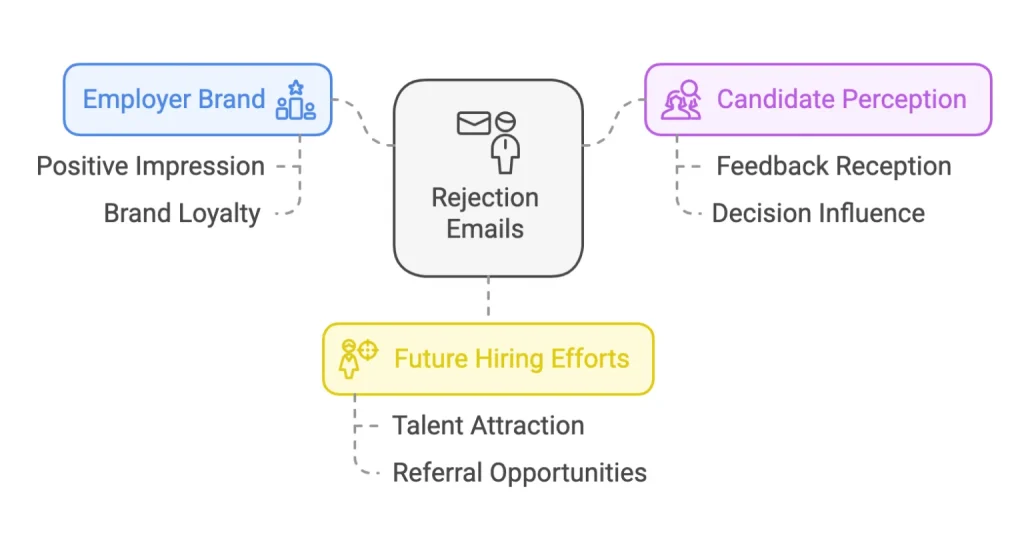
A supplier rejection email might seem like a simple administrative task, but it actually serves several strategic purposes:
- Brand Integrity: Maintaining a courteous tone reflects positively on your organization’s culture.
- Future Opportunities: Suppliers who feel respected are more likely to respond positively to future RFPs.
- Legal Safeguard: Clear communication reduces the risk of misunderstandings that could lead to disputes.
- Feedback Loop: Providing constructive feedback helps suppliers improve, which can benefit you in later engagements.
Think of the rejection email as a bridge, not a wall. It connects today’s decision with tomorrow’s possibilities.
Key Components of a Professional Supplier Rejection Email
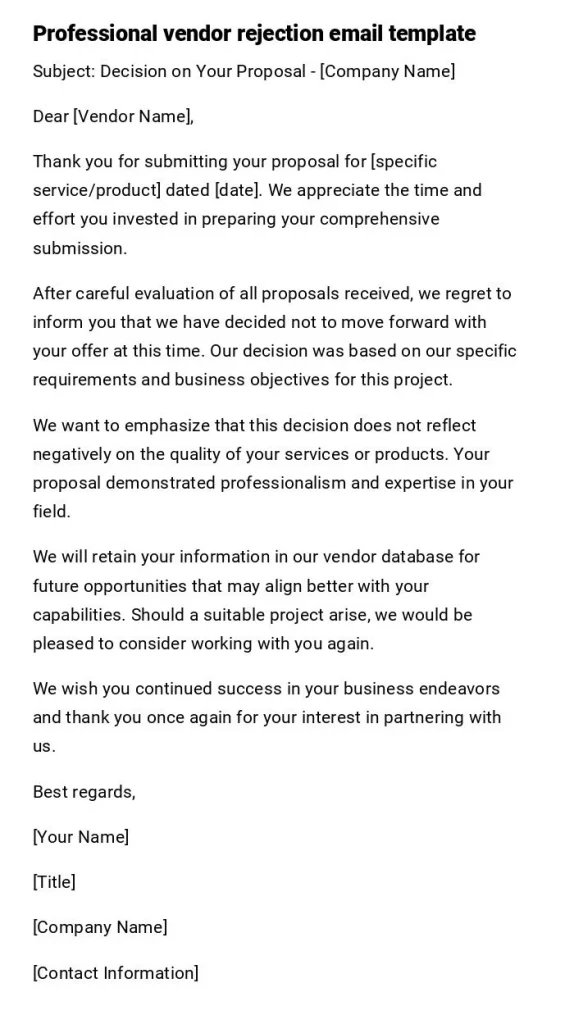
1. Subject Line that Sets the Right Expectation
The subject line should be direct yet courteous. Avoid vague phrases like “Update” or overly negative language. A balanced example is:
- “Outcome of Your Proposal – Thank You for Your Participation”
2. Personalized Greeting
Address the supplier by name and, if possible, reference a specific contact person. Personalization demonstrates that the email is not a generic blast.
3. Express Gratitude Early
Start with a sincere thank‑you for the time and effort invested in the proposal. This acknowledges the supplier’s work and sets a positive tone.
4. Clear Statement of Decision
State the decision plainly, using neutral language. Avoid phrases that could be interpreted as judgmental. For example:
- “After careful consideration, we have decided to move forward with another vendor for this project.”
5. Brief Reason (Optional but Helpful)
Providing a concise, factual reason helps the supplier understand the basis of the decision. Keep it objective and avoid overly detailed criticism.
6. Constructive Feedback (If Appropriate)
If the supplier requests feedback or if you believe it will be beneficial, include a short paragraph with actionable suggestions. This aligns with the best practice highlighted in how to write a polite rejection email to a candidate, where constructive feedback is emphasized.
7. Invitation for Future Collaboration
Reaffirm your interest in maintaining a professional relationship. A sentence such as “We encourage you to participate in future opportunities” keeps the dialogue open.
8. Closing with Professional Sign‑off
Use a courteous sign‑off, include your full name, title, and contact information. This adds credibility and offers a clear point of contact for follow‑up.
Full Sample Email: Supplier Rejection Email Professional Example
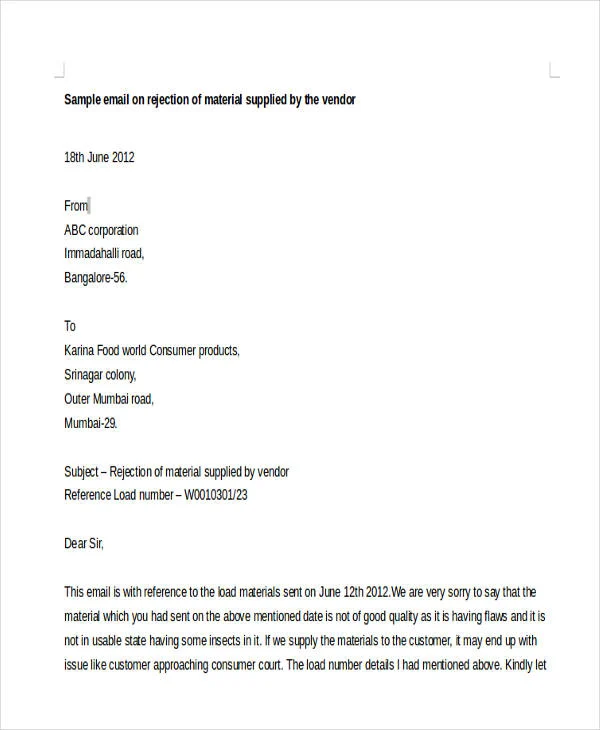
Below is a complete template that incorporates all the elements discussed. Feel free to adapt the language to match your company’s voice.
Subject: Outcome of Your Proposal – Thank You for Your Participation
Dear Ms. Rivera,
Thank you for submitting your proposal for the XYZ Manufacturing Project. We appreciate the thoroughness and effort your team invested in outlining your capabilities.
After a comprehensive review of all submissions, we have decided to award the contract to another supplier whose solution more closely aligns with our current technical specifications and timeline requirements. This decision was based on factors such as the integration timeline, cost structure, and specific compliance certifications required for this phase of the project.
We recognize the quality of your offering and were particularly impressed with your innovative approach to sustainability. While we are unable to move forward with your proposal at this time, we encourage you to participate in upcoming opportunities, especially those focusing on green initiatives.
If you would like detailed feedback on your submission, please let us know and we will be happy to share a brief overview of the evaluation criteria and how your proposal compared.
Thank you again for your interest in partnering with us. We look forward to the possibility of working together in the future.
Best regards,
James L. Patel
Senior Procurement Manager
ABC Industries, Inc.
[email protected]
(555) 123‑4567
Tips for Tailoring the Email to Different Scenarios

When the Supplier Was a Long‑Term Partner
If the rejected supplier has a history with your company, emphasize the value of the existing relationship. You might add a sentence like, “Your continued support over the past five years has been invaluable, and we hope to explore new collaboration areas soon.”
When the Rejection Is Due to Pricing
Pricing concerns can be sensitive. Phrase it carefully: “While your pricing was competitive, we have selected a vendor whose cost structure better aligns with our current budget constraints.” Avoid implying that the supplier’s pricing is “too high” in a disparaging way.
When the Supplier Requests Feedback
Provide a short, bullet‑pointed list of the main evaluation criteria and where the supplier fell short. Keep it factual: “• Required compliance certifications – not fully met; • Project timeline – 4‑week lead time vs. 6‑week requirement; • Pricing – within 5% of target range.”
When You Want to Keep the Door Open for Future Projects
Highlight upcoming RFPs or different project types where the supplier’s strengths could be a better fit. This shows strategic foresight and genuine interest.
Common Pitfalls to Avoid
- Overly Vague Language: Phrases like “We chose another vendor” without context can leave the supplier frustrated.
- Emotional Tone: Even if the supplier’s proposal was disappointing, maintain a neutral, business‑like tone.
- Legal Jargon: Unless required, keep the email free of legal terminology that could be misinterpreted.
- Delays in Communication: Send the rejection promptly after the decision to demonstrate respect for the supplier’s planning needs.
- Neglecting Proofreading: Typos or grammatical errors undermine professionalism.
Integrating the Email into Your Procurement Workflow
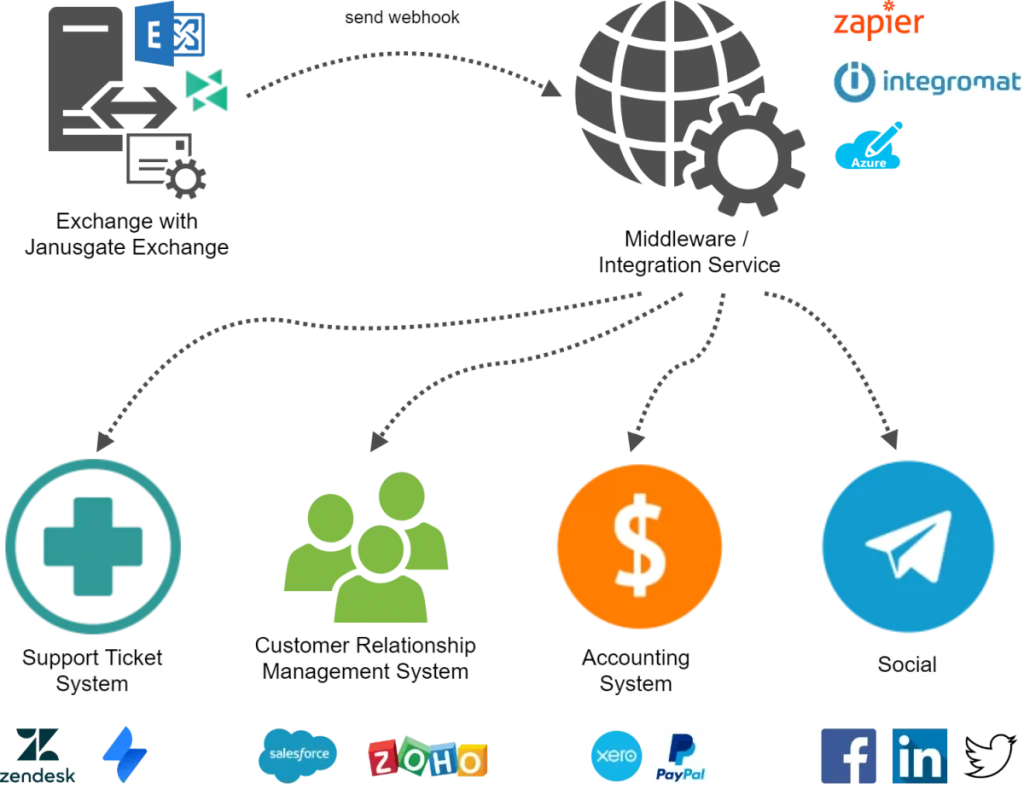
To ensure consistency, store the template in a shared drive or a procurement software system. Assign a responsible team member to customize and send the email within 48 hours of the decision. Tracking the email’s delivery and any subsequent replies in your CRM or procurement portal helps maintain a clear record.
For organizations that send multiple rejection emails each month, consider creating a mail merge process using Microsoft Outlook or Gmail add‑ons. This automation reduces manual effort while preserving the personalized elements (e.g., name, project title).
Enhancing Supplier Relationships Beyond the Rejection Email
Rejection is only one touchpoint in a broader supplier lifecycle. Complement your email with the following actions:
- Post‑Decision Debrief: Offer a brief call to discuss the decision, especially for strategic suppliers.
- Supplier Portal Updates: Publish decision outcomes and feedback in a secure portal accessible to all participating vendors.
- Quarterly Supplier Summits: Invite all suppliers to a virtual event where you share upcoming initiatives and best practices.
- Feedback Surveys: Ask suppliers to rate the procurement process, which can uncover areas for improvement on your side.
By combining a respectful rejection email with proactive engagement, you transform a potentially negative experience into a foundation for stronger, more collaborative partnerships.
Finally, remember that the tone and clarity of your communication reflect directly on your organization’s professionalism. A carefully crafted supplier rejection email professional example not only conveys the decision but also reinforces trust, encourages future collaboration, and upholds the standards of ethical business practice.